 9 Hours ago
 Posted on Google
 21 Hours ago
Posted on Google
21 Hours ago
Posted on Google 2 Days ago
Posted on Google
2 Days ago
Posted on Google 2 Days ago
Posted on Google
2 Days ago
Posted on Google 3 Days ago
Posted on Google
3 Days ago
Posted on Google 4 Days ago
Posted on Google
4 Days ago
Posted on Google 4 Days ago
Posted on Google
4 Days ago
Posted on Google 4 Days ago
Posted on Google
4 Days ago
Posted on Google 5 Days ago
Posted on Google
5 Days ago
Posted on GoogleGas vs. electric grill
A comprehensive comparison for the right choice of grill
 23.05.2023
Gas and electric appliances are two of the most common types of home appliances used today. Both have their advantages and disadvantages, which can make it difficult to decide which is best for your needs. In this article, we will provide a detailed comparison between gas and electric appliances that will help you make an informed decision.
One of the main factors people consider when choosing between gas and electric appliances is price. Both options have different initial costs as well as long-term expenses. Likewise, there are significant differences in efficiency and performance, safety considerations, and environmental impact that must be considered before making a final decision.
By researching these factors in depth, we hope to provide you with the knowledge you need to select the right unit for your needs while considering your values and lifestyle choices.
Cost comparison: initial and long-term costs
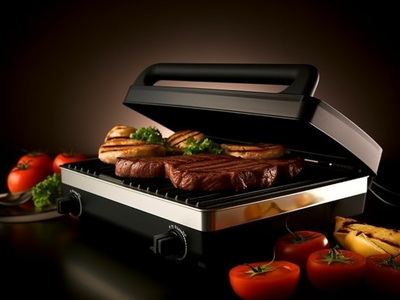 The cost comparison between gas and electric energy sources includes an analysis of both initial and long-term expenses. The installation process for gas appliances is typically more expensive than for electric appliances because a professional is required to install the necessary piping and connections. Electric appliances, on the other hand, can be easily installed by homeowners themselves, which reduces initial costs.
However, when long-term expenses are considered, maintenance requirements must also be taken into account. Gas appliances require regular maintenance to ensure they operate safely and efficiently. This includes annual inspections and cleaning of burners and heat exchangers. Electric appliances have fewer maintenance requirements, but occasionally need repairs or replacement of parts such as heaters or thermostats.
Overall, gas appliances may have higher initial costs due to installation requirements, but may be more cost-effective in the long run due to lower energy costs compared to electricity. However, this depends on factors such as local utility costs and usage patterns. It is important that consumers carefully consider both initial and long-term expenses when deciding between gas and electric energy sources for their homes.
/prod/4/8/2/imp_2_482694.jpg "Ohmex OHM-TPK-2390 Grill-Plancha")
/prod/4/8/1/bimg_481424_57882281_xxl3.jpg "Ohmex OHM-TPK-2370 Tabletop Teppanyaki Grill in Black")
 69.90
69.90/prod/5/2/6/bimg_526946_img_f54bf933a8.jpg "Trisa Electric grill Grill Force 2200")
/prod/5/2/5/bimg_525484_1443980_20240327_16101.jpg "BBQ Dragon Bedano gas barbecue with extractor hood - 2 burners")
/prod/7/0/2/imp_1_702966.jpg "Campingaz Plancha Electric 1 (CH)")
/prod/5/3/4/imp_1_534827.jpg "Solis Deli Grill (type 7951)")
Efficiency and performance differences.
 Efficiency and performance are important factors to consider when choosing between gas and electric options. Electric appliances tend to be more efficient than their gas-powered counterparts because they convert more of the energy they use into actual work, rather than losing it through emissions or unused heat. This means that although electric appliances may have a higher initial cost, they often result in lower long-term costs due to their efficient use of energy.
In terms of performance, both gas and electric appliances have their strengths and weaknesses. Gas cooktops, in particular, offer instant heat and precise temperature control, which many cooks prefer for cooking. Electric ovens, however, tend to maintain more consistent temperatures over a longer period of time. At the same time, gas dryers may dry clothes faster than electric ones, but require ventilation to remove harmful emissions from the home. Electric dryers do not have this requirement, but may take longer to dry clothes.
Finally, maintenance requirements should also be considered when comparing efficiency and performance differences between gas and electric options. Gas appliances require regular cleaning and inspection to ensure proper operation and safety due to potential hazards associated with natural gas leaks or carbon monoxide emissions. However, electric appliances generally require less maintenance other than routine cleaning.
Overall, it is important to weigh efficiency and performance differences, as well as maintenance requirements, when deciding between gas or electric options for your home or business needs.
Safety considerations for gas and electric appliances
 Safety measures should be a top priority when selecting appliances for residential or commercial use, and this section provides important information on safety considerations for gas and electric options. When it comes to installation requirements, gas appliances require proper ventilation to prevent the formation of hazardous gases such as carbon monoxide. Likewise, gas lines must be installed by a licensed professional to ensure they are up to code and safe to use. On the other hand, electrical appliances do not require ventilation, but may have specific electrical requirements that must be met during installation.
Maintenance requirements also differ between gas and electric appliances. Gas appliances require regular inspection and cleaning of burners, igniters and valves to prevent malfunction or leakage of flammable gases. Electrical appliances typically have fewer maintenance needs, but may require periodic replacement of heating elements or wiring if damage occurs.
It is critical to note that whether you choose a gas or electric appliance, following the manufacturer's instructions for installation and maintenance is key to safety. It is recommended that professionals perform any repairs or installations of gas lines or electrical wiring. By taking necessary precautions and following the guidelines established by the manufacturer, consumers can enjoy the convenience and benefits of both types of appliances without compromising safety.
Environmental impact of gas and electric appliances
 This section examines the environmental impact of residential or commercial appliances, including their energy consumption and potential contribution to climate change. When it comes to gas vs. electric appliances, the environmental impact differs significantly. Gas appliances use natural gas as a fuel, which contributes to carbon emissions that harm the environment. In comparison, electric appliances use electricity from power plants that can be powered by renewable energy sources such as wind or solar.
Carbon emissions are a major factor when discussing the environmental impact of gas and electric appliances. According to research, burning natural gas for heating and cooking releases carbon dioxide into the atmosphere and contributes to climate change. On the other hand, using electricity from coal-fired power plants can also produce carbon emissions, but using renewable energy sources such as wind or solar greatly reduces this problem. While there is still debate about whether electric appliances are more environmentally friendly overall than gas-powered appliances, many believe that renewable energy sources offer a promising alternative.
In summary, both gas and electric appliances have an environmental impact due to their energy consumption and associated carbon emissions. However, it is clear that there is a significant difference between them in terms of their contribution to climate change. Electric appliances have an advantage over their counterparts because they can be powered by renewable energy sources with lower greenhouse gas emissions during production. It is important for all of us to carefully consider our choices as we seek sustainable solutions for our homes and businesses - choosing green alternatives will help reduce our global carbon footprint over time.
Choosing the right appliance for your needs and values
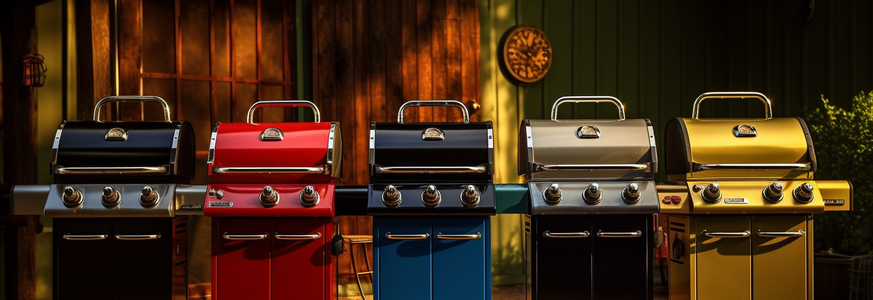 When choosing household or commercial applications, it's important to make informed decisions that align with your values and needs. This not only impacts personal satisfaction, but also the environment. Several factors come into play when deciding between gas and electric appliances, including energy source, lifestyle preferences and budget.
Here are some important points to consider when choosing between gas and electric appliances:
- Environmental impact: Electric appliances have a lower overall carbon footprint than gas-powered appliances.
- Efficiency: gas appliances tend to be more efficient at cooking, while electric options are better for heating water.
- Cost: While electric appliances tend to be less expensive, gas options can save money on energy costs over time.
- Installation: Gas requires professional installation due to safety concerns, while most electric models can be easily installed by individuals.
- Lifestyle Preferences: Consider your daily routine and habits. If you cook frequently or need hot water often, gas may be a better option.
Ultimately, choosing the right appliance comes down to personal preferences and values. While some people prioritize cost savings, others may prioritize environmental impact or convenience. It is imperative that consumers weigh these factors before making a decision to choose an appliance that aligns with their individual needs and values.
In summary, choosing between gas and electric appliances requires a variety of considerations. While gas appliances tend to have a higher initial cost, they may be more cost-effective in the long run due to lower energy costs. Electric appliances may have a lower initial cost, but may cost more in the long run due to higher energy consumption rates.
Safety considerations must also be taken into account, as gas appliances pose a risk for carbon monoxide poisoning and fire hazards. Similarly, environmental concerns are an important factor in deciding between gas and electric appliances. Gas appliances emit greenhouse gases that contribute to climate change, while electric appliances can lead to increased demand on fossil fuel-based power plants.
Ultimately, choosing the right appliance for one's needs and values requires careful consideration of all these factors and balancing them against individual priorities.
More articles that might interest you
/advert/cropped_2_ad_img_tHrxt.png "Charcoal grills")
/advert/ad-xZB-smoker-grills.png "Smoker Grills")
/advert/cropped_2_ad_img_wTpVy.png "Electric grills")
/advert/ad-cap-grilltechniken-enthuellt.png "Grill techniques revealed")
/advert/ad-SpL-fortgeschrittene-grilltechniken.png "Advanced grilling techniques revealed")
/advert/ad-Upr-pelletgrill-ratgeber.png "The ultimate guide to pellet grills")
/advert/ad-pFO-Die_perfekte_Grillwartung_-_So_bleibt_dein_Grill_wie_neu.jpg "The perfect grill maintenance - Keep your grill like new!")
/advert/ad-GeR-maenner-grillen.png "Why men love barbecue")
/advert/ad-aPK-grillfleischrezepte.png "The ultimate grilled meat recipes")
/advert/ad-w1Y-grillvergleich-holzkohle-vs-gas.png "Charcoal vs gas grills")
/advert/ad-b5Z-grillvergleich.png "Pellet vs. charcoal grill")
/advert/cropped_2_ad_img_zsmI0.png "Gas grills comparison")
/prod/5/4/5/imp_1_545786.jpg "Feuerdesign Vesuvio red")
/prod/7/0/2/imp_1_702967.jpg "Campingaz Plancha Othello 2")
/prod/7/0/2/imp_1_702975.jpg "Campingaz Attitude LX")
/prod/4/8/1/bimg_481188_1419268_20230727_141216.jpg "Nouvel Yakitori - Grill Black")
/prod/9/1/2/imp_1_912815.jpg "Outdoor Chef MINICHEF 420 G PLUS BLACK 50MBAR")
/prod/7/0/2/bimg_702969_71Za2UwnnGL.jpg "Campingaz Party Grill 400 CV")
/prod/5/2/3/imp_1_523562.jpg "Nouvel V-grill electric, 2200 W")
/prod/5/2/7/imp_1_527086.jpg "Feuerdesign Teide Football CH Grill")
/prod/7/7/9/bimg_779600_71uOguYJkNL.jpg "George Foreman Universal Grill Black")
/prod/8/6/0/imp_1_860113.jpg "Campingaz Attitude 2go electric")
/prod/7/8/2/bimg_782834_1495988_20250818_102515.jpg "Nouvel Electric Grill Fly 2000, W")
/prod/8/7/6/imp_1_876813.jpg "nomadiQ Portable e-BBQ - cement")
/prod/7/1/1/imp_1_711062.jpg "Severin PG 8569 Black")
/prod/6/0/5/imp_1_605997.jpg "Koenig Electric grill Beef Grill XL")
/prod/5/2/5/imp_2_525488.jpg "BBQ Dragon Monterey black")
/prod/9/1/4/imp_1_914994.jpg "Sunset BBQ CORFU 570")
/prod/8/6/8/imp_1_868613.jpg "Berger & Lanz BergerLanz D500 Electric Griddle")
/prod/4/2/1/imp_1_421149.jpg "Nouvel Gourmet Star")