 2 Days ago
 Posted on Google
 2 Days ago
Posted on Google
2 Days ago
Posted on Google 2 Days ago
Posted on Google
2 Days ago
Posted on Google 2 Days ago
Posted on Google
2 Days ago
Posted on Google 3 Days ago
Posted on Google
3 Days ago
Posted on Google 3 Days ago
Posted on Google
3 Days ago
Posted on Google 3 Days ago
Posted on Google
3 Days ago
Posted on Google 3 Days ago
Posted on Google
3 Days ago
Posted on Google 3 Days ago
Posted on Google
3 Days ago
Posted on GooglePellet vs. charcoal grill
Which is the best for authentic barbecue taste?
 23.05.2023
When it comes to grilling, pellets and charcoal are two of the most popular fuel sources. Both have their unique advantages and disadvantages, making it difficult for grilling enthusiasts to choose between the two.
While charcoal is a traditional choice that has been around for centuries, pellets are relatively new products on the market.
This article aims to provide an unbiased comparison between pellets and charcoal by analyzing various factors such as composition, taste differences, convenience, cost, availability and environmental impact. By understanding the pros and cons of each fuel source, readers can make an informed decision about which option best fits their needs.
Whether you're a seasoned grill master or just getting started with outdoor cooking, this guide will help you understand the basic differences between pellets and charcoal so you can choose wisely.
Composition and manufacturing of pellets and charcoal.
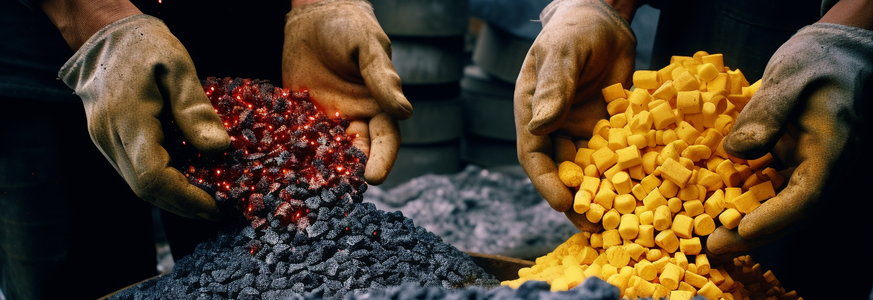 The composition and manufacturing methods used in the production of both fuels are important factors to consider when evaluating their suitability for various applications. Pellets are made from compressed sawdust or wood chips, which are byproducts of wood production. To make pellets, the raw material is dried and then compressed under high pressure without a binder. The result is a highly concentrated fuel source that burns cleanly and leaves minimal ash residue.
On the other hand, charcoal is produced through a process called pyrolysis, in which wood is burned in a low-oxygen environment until it is charred. This produces a highly porous substance that burns hotter and longer than regular wood. However, this process also produces significant amounts of ash residue that must be cleaned regularly.
When comparing pellets and charcoal based on their manufacturing processes and ash residues, there are important points to consider. While pellets require less processing than charcoal, they still require energy to dry and compress the raw material into pellet form. Further, both fuels produce some amount of ash residue when burned, with pellets producing significantly less compared to charcoal.
In summary, it is critical to understand the manufacturing processes used in the production of each fuel source to determine which is best suited for different applications. Depending on specific needs such as heat output or environmental impact, either pellets or charcoal may be more appropriate for certain situations. By considering all relevant factors such as cost-effectiveness and ease of use alongside these important differences between the two options, individuals can make informed decisions when selecting their preferred fuel source.
,no_upscale(),format(png)/prod/2/0/0/bimg_200667_go_8959758.jpg "LotusGrill Original anthracite Ø 32 cm")
,no_upscale(),format(png)/prod/2/0/0/imp_1_200674.jpg "LotusGrill XL anthracite gray Ø 40.5 cm")
,no_upscale(),format(png)/prod/2/0/0/bimg_200678_58463402_xxl3.jpg "LotusGrill XL plum purple Ø 40.5 cm")
,no_upscale(),format(png)/prod/2/0/0/bimg_200670_go_1374497.jpg "LotusGrill Original green Ø 32 cm")
 149.00
,no_upscale(),format(png)/prod/2/0/0/imp_1_200671.jpg "LotusGrill Original purple Ø 32 cm")
,no_upscale(),format(png)/prod/2/0/0/bimg_200666_9209818_hauptbild.jpg "LotusGrill Small deep blue Ø 29 cm")
Taste and flavor differences
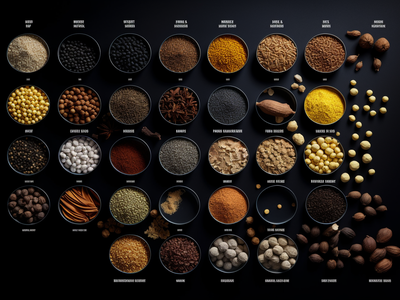 A nuanced examination of the taste and flavor differences between two popular fuel sources for grilling and smoking reveals distinctive characteristics that are unique to each. Pellet fuel offers a milder, more consistent flavor profile compared to the strong, smoky notes of charcoal. Pellets are typically made from compressed sawdust or wood chips, which results in a cleaner burn that produces less smoke and imparts a subtle smoky odor to food. This makes pellets the ideal choice for those who want consistent flavor without overpowering their dishes.
On the other hand, charcoal is known for its characteristic smoky flavor that comes from burning natural woods. The intensity of this flavor can be adjusted by adjusting the amount and type of wood used. Charcoal also offers greater cooking versatility as it can reach higher temperatures than pellets, allowing for searing and roasting that adds depth and complexity to grilled foods. However, it requires more attention during cooking due to its tendency to flame.
When choosing between pellet and charcoal fuel sources, one should consider both their personal preference for flavor and their desired level of control over the cooking process. While pellets offer a milder and more predictable flavor profile that may appeal to some palates, charcoal offers a broader range of flavors and greater potential for customization, but requires more skillful handling during cooking. Ultimately, both options have their own unique benefits, depending on individual preferences and needs.
Convenience and ease of use
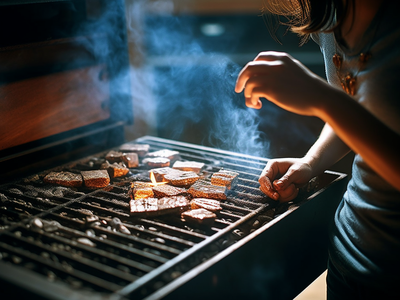 Convenience and ease of use are important factors when choosing between pellet and charcoal grills. Pellet grills offer a variety of storage options, including large hopper capacities that can hold up to 40 pounds (about 18 kg) of pellets, allowing for longer cooking times without constant refilling. This means you can set your grill to a specific temperature and sit back, knowing it will maintain that temperature throughout the cooking process. In addition, many pellet grills come with Wi-Fi connectivity and mobile apps that allow you to control the grill remotely.
However, charcoal requires more effort and attention to ignition. Charcoal briquettes need to be lit with burning fluid or an electric starter, which can take time and affect the taste of the prepared food. Using natural charcoal may require additional lighting aids such as chimney starters or burners. Although this method takes a little more time to set up, some people argue that it adds flavors that gas or pellets cannot replicate.
In terms of convenience when cleaning up after cooking: Both fuels produce ash during cooking; however, due to its design, removing ash from a pellet grill is much easier than traditional charcoal grills, which require manual removal of ash with tools such as ash pans or vacuum cleaners. Additionally, popular brands like Traeger have built-in ash removal systems that make things even more convenient.
Overall, both fuels have their advantages in terms of convenience and ease of use; however, there are differences in how they operate under certain circumstances. Ultimately, it comes down to individual preferences in terms of flavor profile versus convenience and ease of use, depending on your personal situation and preferences.
Cost and Availability
 Researching the cost and availability of various fuel sources is critical to making an informed decision about which grilling method to choose. When comparing prices, charcoal generally costs less than pellets. A 20-pound bag of charcoal briquettes is available for under $20, while a 20-pound bag of wood pellets can cost more than $25. However, the total price will depend on how much fuel is used and how often grilling is done.
Regional availability also plays a role in determining the cost and accessibility of each fuel source. Charcoal is widely available in most regions and many large retailers carry several brands. Wood pellets may not be as readily available in some areas, particularly rural areas where specialized barbecue stores are rare. It is important to consider shipping costs when ordering online, as well as possible delays due to weather conditions or other unforeseen circumstances.
Although charcoal may have a slight advantage for some grillers in terms of affordability and accessibility, it is worth considering the long-term benefits of using wood pellets. Pellets burn more efficiently than charcoal, produce less ash and require less fuel overall. Likewise, they offer more versatility in terms of flavor options, as they are available in a variety of wood types such as mesquite or hickory. Ultimately, the choice between pellets and charcoal will depend on personal preference and budget constraints.
Environmental impact and sustainability
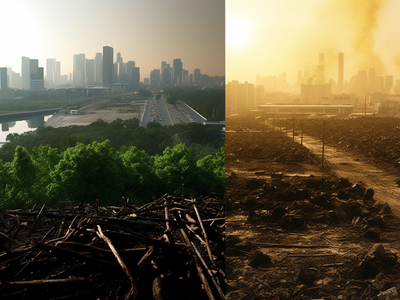 Evaluating the environmental impact and sustainability of fuels is an important factor for those who want to make an informed decision about which type of fuel to use for grilling. When it comes to pellets versus charcoal, the sourcing methods of these two fuels can have a significant impact on their overall carbon footprint. Charcoal is typically made from hardwood trees that are cut down and burned in kilns, releasing large amounts of carbon dioxide into the atmosphere. Pellets, on the other hand, are often made from waste materials such as sawdust or wood chips that would otherwise be thrown away.
In terms of sustainability, pellet grills offer several advantages over charcoal grills. Because pellets are often made from waste materials, they offer a more sustainable option than traditional charcoal. Likewise, pellet grills tend to be more energy efficient than charcoal grills because they use less fuel overall. This means that pellet grilling can be a more environmentally friendly choice compared to traditional charcoal grilling.
Although both pellet and charcoal grills have pros and cons in terms of environmental impact and sustainability, it's clear that there are some important differences between these two fuels. Ultimately, the best choice depends on your personal preferences and priorities for outdoor cooking. Whether you choose pellets or charcoal for your next barbecue, taking steps to reduce your carbon footprint is always a good idea!
Comparing pellets to charcoal shows that both have their unique features and drawbacks. Pellets are made from compressed sawdust and wood chips, while charcoal is made by burning wood without oxygen. Differences in taste can be subjective, but in general charcoal offers a smoky flavor compared to pellets.
In terms of convenience and ease of use, pellets win because they are easy to light with an electric starter or lighter, while charcoal requires more skill to light. Cost-wise, pellets are cheaper than charcoal in the long run because they produce less ash and burn more efficiently. Availability can be a problem, however, as not all stores carry them.
Environmental impacts favor pellets because they are made from recycled materials and produce fewer emissions than charcoal. Charcoal production involves cutting down trees, which leads to deforestation and affects wildlife habitats. In summary, the choice between pellets versus charcoal ultimately comes down to personal preference based on taste and ease of use preference.
While both have their pros and cons in terms of cost-effectiveness and environmental impact, it is important to consider sustainability when deciding on fuel sources for grilling or smoking meat. Using alternative fuels like pellets can help reduce your carbon footprint while still enjoying delicious grilled food without sacrificing quality or flavor.
More articles that might interest you
,format(png)/advert/ad-GeR-maenner-grillen.png "Why men love barbecue")
,format(png)/advert/ad-cap-grilltechniken-enthuellt.png "Grill techniques revealed")
,format(png)/advert/cropped_2_ad_img_wTpVy.png "Electric grills")
,format(png)/advert/ad-8VS-Gas_vs._Elektro_Grill.png "Gas vs. electric grill")
,format(png)/advert/ad-Upr-pelletgrill-ratgeber.png "The ultimate guide to pellet grills")
,format(png)/advert/cropped_2_ad_img_zsmI0.png "Gas grills comparison")
,format(png)/advert/ad-aPK-grillfleischrezepte.png "The ultimate grilled meat recipes")
,format(png)/advert/ad-xZB-smoker-grills.png "Smoker Grills")
,format(png)/advert/ad-SpL-fortgeschrittene-grilltechniken.png "Advanced grilling techniques revealed")
,format(png)/advert/ad-pFO-Die_perfekte_Grillwartung_-_So_bleibt_dein_Grill_wie_neu.jpg "The perfect grill maintenance - Keep your grill like new!")
,format(png)/advert/cropped_2_ad_img_tHrxt.png "Charcoal grills")
,format(png)/advert/ad-w1Y-grillvergleich-holzkohle-vs-gas.png "Charcoal vs gas grills")
,no_upscale(),format(png)/prod/7/9/0/imp_1_790760.jpg "Monolith Grill Classic Base Black")
,no_upscale(),format(png)/prod/2/0/0/bimg_200661_go_1759571.jpg "LotusGrill Small anthracite Ø 29 cm")
,no_upscale(),format(png)/prod/2/2/7/bimg_227164_4260023017379-1_1280x1280.jpg "LotusGrill XXL anthracite")
,no_upscale(),format(png)/prod/2/0/0/bimg_200673_71WMC+rOiBL.jpg "LotusGrill Original stainless steel Ø 32 cm")
,no_upscale(),format(png)/prod/2/0/0/imp_1_200668.jpg "LotusGrill Original fire red Ø 32 cm")
,no_upscale(),format(png)/prod/2/0/0/imp_1_200669.jpg "LotusGrill Original orange Ø 32 cm")
,no_upscale(),format(png)/prod/2/0/0/bimg_200676_58463399_xxl3.jpg "LotusGrill XL mandarin orange Ø 40.5 cm")
,no_upscale(),format(png)/prod/2/0/0/bimg_200679_58463405_xxl3.jpg "LotusGrill XL deep blue Ø 40.5 cm")
,no_upscale(),format(png)/prod/2/0/0/imp_1_200677.jpg "LotusGrill XL lime green Ø 40.5 cm")
,no_upscale(),format(png)/prod/2/0/0/bimg_200675_go_4459943.jpg "LotusGrill XL fire red Ø 40.5 cm")
,no_upscale(),format(png)/prod/8/5/2/imp_1_852038.jpg "The Bastard Grill Urban Large Multilevel black")
,no_upscale(),format(png)/prod/2/0/0/imp_1_200664.jpg "LotusGrill Small lime green Ø 29 cm")
,no_upscale(),format(png)/prod/8/5/2/bimg_852037_e29824313d22996801d2a25b768f0c956bd113af.jpeg "The Bastard Grill Urban XLarge Multilevel black")
,no_upscale(),format(png)/prod/2/0/0/imp_1_200672.jpg "LotusGrill Original deep blue Ø 32 cm")
,no_upscale(),format(png)/prod/2/0/0/bimg_200662_9209776_hauptbild.jpg "LotusGrill Small fire red Ø 29 cm")
,no_upscale(),format(png)/prod/2/0/0/bimg_200665_9209800_hauptbild.jpg "LotusGrill Small plum purple Ø 29 cm")
,no_upscale(),format(png)/prod/1/1/8/bimg_118276_go_9530162.jpg "Rumo BBQ GmbH Grill tub JOE's black 95x55x74cm (WxDxH)")
,no_upscale(),format(png)/prod/1/0/9/bimg__1467100419.jpg "Primo Oval grill 400XL")