 23 Hours ago
 Posted on Google
 1 Day ago
Posted on Google
1 Day ago
Posted on Google 2 Days ago
Posted on Google
2 Days ago
Posted on Google 2 Days ago
Posted on Google
2 Days ago
Posted on Google 2 Days ago
Posted on Google
2 Days ago
Posted on Google 2 Days ago
Posted on Google
2 Days ago
Posted on Google 3 Days ago
Posted on Google
3 Days ago
Posted on Google 3 Days ago
Posted on Google
3 Days ago
Posted on Google 3 Days ago
Posted on Google
3 Days ago
Posted on GoogleCharcoal vs gas grills
Which is the best grill for you?
 23.05.2023
Coal and gas are two of the most popular fuel sources for outdoor cooking. Each has its own advantages and disadvantages, making it difficult to determine which is better.
While some people swear by charcoal grilling for the authentic flavor it adds to food, others prefer the convenience and ease of use that comes with a gas grill.
This article explores the differences between charcoal and gas grills in terms of fuel sources, heating speed and temperature control, taste and cooking experience, maintenance, cleaning, cost and long-term investment.
By looking at these factors side by side, readers can gain a better understanding of which type of grill best suits their needs. Whether you're a seasoned outdoor chef or just beginning on your culinary journey, this comparison guide offers valuable insight into the world of backyard grilling.
Fuel sources and ignition methods
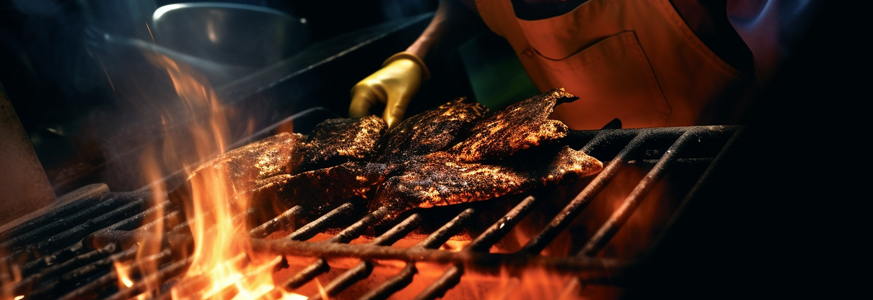 The section under review covers fuel sources and ignition methods used in outdoor cooking. Charcoal and gas grills are two of the most popular options for outdoor cooking enthusiasts. While charcoal grills use charcoal as fuel, gas grills use propane or natural gas. Charcoal requires kindling or kindling wood, while gas grills typically come with automatic ignition systems.
In terms of environmental impact, charcoal is considered less environmentally friendly than gas because it releases more carbon dioxide into the atmosphere. However, some argue that the production and transportation of propane or natural gas also have environmental impacts. However, it's worth noting that there are eco-friendly options for both types of grills, such as using charcoal from sustainably managed forests or purchasing a high-efficiency grill that uses less fuel overall.
Portability is another factor to consider when choosing between a charcoal and gas grill. Charcoal grills tend to be more portable because they do not require connection to a fuel source such as propane tanks or natural gas lines. They can easily be taken on camping trips or used in areas without access to electricity. Gas grills, on the other hand, can be heavier and bulkier due to their need for connections and additional equipment.
In summary, when deciding between a charcoal and gas grill, it is important to consider factors such as environmental impact and portability in addition to fuel sources and ignition methods. Ultimately, personal preferences will play an important role in determining the best type of grill for individual needs-whether it's taste preferences, convenience factors, or cost efficiency-but understanding these basic differences will help in deciding which type of outdoor cooking device is best for you!
,no_upscale(),format(png)/prod/5/3/7/imp_1_537511.jpg "Mr.Grill Plancha plate gas grill")
,no_upscale(),format(png)/prod/6/0/6/imp_1_606038.jpg "Campingaz Gas barbecue 3 Series Classic L")
 529.00
,no_upscale(),format(png)/prod/7/9/0/imp_1_790050.jpg "Garcima Andreu enamelled paella set Ø 46 cm")
,no_upscale(),format(png)/prod/8/6/8/imp_1_868102.jpg "Outdoor Chef Ball Grill Minichef 420 G")
,no_upscale(),format(png)/prod/7/9/0/imp_1_790055.jpg "Garcima Enamelled ring burner 70 cm")
,no_upscale(),format(png)/prod/7/9/4/bimg_794669_71Ka5-Ih0JL.jpg "Rösle Gas Grill BBQ Station Videro G2 G2-S black")
Heating speed and temperature control
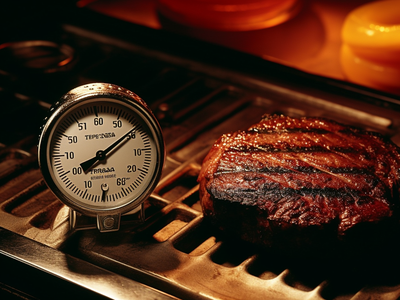 One factor in choosing between charcoal and gas grills is heating speed and temperature control capability. Gas grills are known for their fast heat-up time, with some models reaching cooking temperature in as little as 10 minutes. Charcoal grills, on the other hand, take longer to heat up and require more attention during the cooking process. However, once heated, they can maintain a constant temperature for a longer time.
In terms of heating efficiency, gas grills have an advantage over charcoal grills. They use less fuel and produce less smoke than charcoal grills. This makes them a more environmentally friendly option. In addition, gas grills allow for precise temperature control through adjustable burners. Charcoal grills, on the other hand, must regulate heat by adjusting the amount of charcoal used or by moving the charcoal.
Heat distribution is another important factor when choosing between these two grilling methods. Gas grills tend to have better heat distribution due to their design and the even flame distribution of the burners. Charcoal grill users need to watch out for hot spots that can result from unevenly distributed charcoal or airflow problems in the grill.
- Gas grilling allows for quick heat-up times
- Charcoal provides consistent temperatures once it is heated up
- Gas is more efficient and produces less smoke
- Precise temperature control is possible with gas
- Heat distribution is generally better with gas
Overall, both charcoal and gas grills offer unique advantages in terms of heating speed and temperature control during outdoor cooking sessions. It ultimately comes down to personal preference and desired grilling experience.
Taste and cooking experience
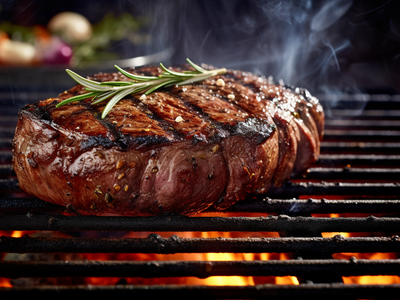 In exploring the realm of outdoor cooking, the current section delves into the subtleties of taste and cooking experience between two popular grilling methods: Charcoal and gas. One of the most notable differences between these two methods is the smoky flavor that comes from charcoal grilling. The high temperatures generated by burning coals create a unique flavor in meats and vegetables that gas grills cannot replicate. This smokiness is especially desirable for those who like bold flavors and want to add depth to their dishes.
In addition to flavor, charcoal grilling also offers a unique cooking experience that gas grills cannot match. Lighting a fire, patiently waiting for optimal heat, and carefully controlling the temperature while cooking create a sense of satisfaction that cannot be found with gas grilling. In addition, charcoal grills are known for creating beautiful grill marks on meat because they can reach higher temperatures than gas grills.
Although gas grilling may not offer the same level of smokiness or cooking experience as charcoal grilling, it does have its advantages. Gas grills are incredibly convenient, as they can be easily turned on and off without waiting. They also allow for precise temperature control, making them ideal for delicate foods like fish or vegetables. Ultimately, the choice between charcoal and gas comes down to personal preference and the type of food you're cooking. Both methods have their own unique advantages that can enhance the outdoor cooking experience in different ways.
In summary, there are notable differences between charcoal and gas grilling in terms of taste and cooking experience. Charcoal delivers a unique smoky flavor and a special cooking process that creates beautiful grill marks on meat, but requires more patience and skill to control temperature levels. On the other hand, gas offers convenience with precise temperature control, but lacks a strong smoky flavor or special cooking method like charcoal. Whether you ultimately choose charcoal or gas ultimately depends on your personal preferences and the type of food you are cooking.
Maintenance and cleaning
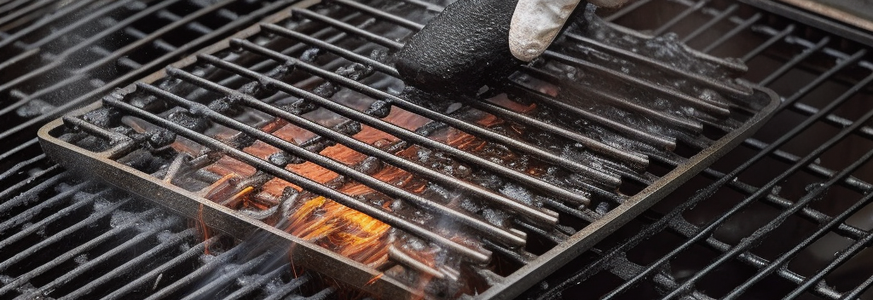 Maintaining and cleaning your outdoor grill is critical to its longevity and optimal performance. Therefore, this section offers valuable insights on how to effectively maintain and clean your grill. Charcoal grills tend to require more maintenance due to ash buildup, while gas grills may require more attention when it comes to cleaning the burners. Regardless of the type of grill you have, here are some important tips to keep it in top shape:
- Always make sure your grill has cooled down before you start cleaning.
- For gas grills, remove the grates and place them in warm soapy water before scrubbing them with a brush. Clean all debris from the burners with a wire brush or scraper.
- For charcoal grills, dispose of any ash deposits before each use. Use a stiff brush to remove any excess debris from the grate.
- Regularly inspect all parts of your grill for signs of wear, such as rusted metal or loose fittings. Replace parts as needed to ensure safe operation.
- Cover your grill when not in use to protect it from weather damage.
Effective cleaning techniques can extend the life of your outdoor grill. Don't neglect regular maintenance, as this can cause damage that can be expensive to repair or even lead to safety hazards. Keep these tips in mind when caring for your grill:
- Avoid using harsh chemicals or abrasive materials on any part of your grill, as this can cause damage.
- If you are short on time, use a special cleaner designed specifically for your type of grill.
- Make sure all parts are thoroughly dry after cleaning before reassembling them on your grill.
- Store propane tanks away from heat sources when not in use and replace them every 10 years regardless of how often they are used.
- Follow the manufacturer's instructions for recommended maintenance schedules and replacement parts.
By following these simple steps, you can ensure that both charcoal and gas grills will last long enough to provide you with many delicious meals and enjoyable outdoor experiences. Regular cleaning and maintenance are key to maximizing the life of your grill, so make sure you include this in your routine.
Cost and long-term investment
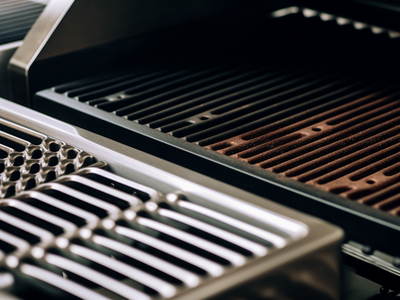 This section explores the cost and long-term investment of outdoor grills, providing valuable insight into factors such as initial purchase price, fuel costs, durability and potential resale value. When it comes to choosing a grill, many people are concerned about the cost-effectiveness of their investment. Gas grills are generally more expensive upfront than charcoal grills, but have lower fuel costs in the long run. Charcoal grills require more frequent refills and can be more expensive to operate over time. However, gas grills often require more maintenance and repairs than charcoal grills.
To further compare the cost effectiveness of gas and charcoal grills, let's take a closer look at some specific models on the market. In the table below, we've selected three popular models of each grill type and compared their initial purchase price, estimated fuel cost over five years (based on average use), expected life based on consumer reviews, and potential resale value after five years. While gas grills tend to be more expensive upfront, they may have lower fuel costs over time and last longer than some charcoal models. However, it is important to consider how often you will use your grill and what type of fuel source you prefer before making a decision based on cost effectiveness alone. Likewise, consumer reviews indicate that some models may have greater durability than others, regardless of their fuel type. Ultimately, the best choice depends on individual needs and preferences.
In summary, the decision between a charcoal or gas grill ultimately comes down to personal preferences and priorities.
Charcoal grills offer the traditional smoky aroma and cooking experience that many BBQ enthusiasts covet, but require more manual maintenance and less precise temperature control.
Gas grills offer convenience and ease of use with quick heat-up times and precise temperature control, but can lack the same depth of flavor as charcoal grilling.
When considering factors such as fuel source, heat-up speed, taste, maintenance, cost and long-term investment, it is important to weigh the pros and cons of each option before making a decision.
Ultimately, both charcoal and gas grills have their own unique advantages and disadvantages, depending on individual needs and preferences.
Whether it's the traditional smoky flavor of charcoal or the quick convenience of gas grilling, both options can create delicious meals for friends and family.
More articles that might interest you
,format(png)/advert/ad-cap-grilltechniken-enthuellt.png "Grill techniques revealed")
,format(png)/advert/ad-GeR-maenner-grillen.png "Why men love barbecue")
,format(png)/advert/ad-8VS-Gas_vs._Elektro_Grill.png "Gas vs. electric grill")
,format(png)/advert/ad-SpL-fortgeschrittene-grilltechniken.png "Advanced grilling techniques revealed")
,format(png)/advert/ad-xZB-smoker-grills.png "Smoker Grills")
,format(png)/advert/cropped_2_ad_img_wTpVy.png "Electric grills")
,format(png)/advert/ad-Upr-pelletgrill-ratgeber.png "The ultimate guide to pellet grills")
,format(png)/advert/ad-b5Z-grillvergleich.png "Pellet vs. charcoal grill")
,format(png)/advert/ad-Kk1-lotusgrill-original-vs-xl-vergleich.jpg "Lotusgrill Original vs. XL: A detailed comparison")
,format(png)/advert/cropped_2_ad_img_zsmI0.png "Gas grills comparison")
,format(png)/advert/cropped_2_ad_img_tHrxt.png "Charcoal grills")
,format(png)/advert/ad-pFO-Die_perfekte_Grillwartung_-_So_bleibt_dein_Grill_wie_neu.jpg "The perfect grill maintenance - Keep your grill like new!")
,no_upscale(),format(png)/prod/7/9/0/imp_1_790052.jpg "Garcima Mediterranean Enamelled Paella Set Ø 42 cm")
,no_upscale(),format(png)/prod/7/9/0/imp_1_790056.jpg "Garcima Triple ring burner")
,no_upscale(),format(png)/prod/5/3/7/imp_1_537512.jpg "Mr.Grill Gas Grill 3 Burners")
,no_upscale(),format(png)/prod/6/0/6/imp_1_606064.jpg "Garcima PAELLERO 50 ring burner")
,no_upscale(),format(png)/prod/7/9/0/imp_1_790051.jpg "Garcima Enamelled Paella Set Valencia Ø 46 cm")
,no_upscale(),format(png)/prod/6/0/6/bimg_606065_img_b461d1fccd.jpg "Outdoor Chef Chelsea 420 G kettle grill")
,no_upscale(),format(png)/prod/8/8/8/imp_1_888036.jpg "Campingaz Gas Grill BBQ 3 Series Woody L (CH)")
,no_upscale(),format(png)/prod/6/0/6/imp_1_606060.jpg "Outdoor Chef Gas barbecue Australia EVO 535 30 mbar")
,no_upscale(),format(png)/prod/8/3/0/imp_1_830163.jpg "Hot Wok For 12 kW + regulator & high-performance wok set")
,no_upscale(),format(png)/prod/5/9/4/imp_1_594912.jpg "Blazeflame Master 4 gas barbecue, 50 mbar")
,no_upscale(),format(png)/prod/5/9/4/bimg_594914_61ZQ1zvQciL.jpg "Allflame Hero 4 gas barbecue, 50 mbar")
,no_upscale(),format(png)/prod/8/7/6/imp_1_876815.jpg "nomadiQ Portable Gas BBQ - Model 3.0 - urban grey")
,no_upscale(),format(png)/prod/7/1/4/imp_1_714061.jpg "Mr.Grill Gas Grill EasyFire 2 Burners")
,no_upscale(),format(png)/prod/6/0/6/imp_1_606042.jpg "Campingaz Select 3 LX Plus gas barbecue")
,no_upscale(),format(png)/prod/6/0/6/imp_1_606061.jpg "Outdoor Chef Gas barbecue Australia EVO 335 30 mbar")
,no_upscale(),format(png)/prod/5/9/4/bimg_594915_61iIzFtOdGL.jpg "Allflame Hero 6 gas barbecue, 50 mbar")
,no_upscale(),format(png)/prod/4/0/9/bimg_409881_9219106_hauptbild.jpg "Rösle Gas grill portable VIDERO G2-P 50mbar")
,no_upscale(),format(png)/prod/5/9/4/bimg_594910_61gT1efVnvL.jpg "Allflame Prime 4 gas barbecue, 50 mbar")