 9 Hours ago
 Posted on Google
 16 Hours ago
Posted on Google
16 Hours ago
Posted on Google 18 Hours ago
Posted on Google
18 Hours ago
Posted on Google 19 Hours ago
Posted on Google
19 Hours ago
Posted on Google 2 Days ago
Posted on Google
2 Days ago
Posted on Google 3 Days ago
Posted on Google
3 Days ago
Posted on Google 3 Days ago
Posted on Google
3 Days ago
Posted on Google 3 Days ago
Posted on Google
3 Days ago
Posted on Google 4 Days ago
Posted on Google
4 Days ago
Posted on GoogleThe ultimate bicycle pump
Everything you need to know about accessories for filling
 04.07.2023
In the wide world of cycling, where riders navigate winding trails and conquer dangerous terrain, a bike pump becomes an indispensable ally. Just as a knight relies on his trusty horse to traverse the battlefield, cyclists depend on their pumps to ensure optimal performance in their quest for speed and endurance.
However, a simple pump is not enough; it requires proper accessories to reach its full potential. This article dives into the world of bike pump and inflation accessories, exploring various options that meet the needs of cyclists both on the road and during routine maintenance. By understanding the benefits of CO2 inflators and selecting accurate pressure gauges, riders can achieve precise inflation levels for improved efficiency. In addition, knowledge of different valve types and compatibility ensures a smooth tire inflation experience.
In addition, this article reveals key accessories that enable ease of use and efficient tire inflation processes. Whether it's adapters for versatility or protective covers for durability, these add-ons elevate the entire cycling experience to a new level.
Embark on this insightful journey through the fascinating world of bike pump accessories - where functionality meets innovation - and discover how these companions can enhance your cycling adventures like never before.
Inflate portable pump options for on the go
Several options are available for portable bike pumps that allow cyclists to conveniently inflate their tires on the go.
Two common types of portable pumps are mini pumps and floor pumps.
- Mini pumps, as the name implies, are compact and lightweight, making them easy to carry around while riding. They usually have a smaller cylinder size and require more effort to inflate tires due to their smaller volume capacity.
- On the other hand, floor pumps are larger and offer a higher volume capacity, allowing for faster inflation time with less effort on the part of the cyclist.
In addition to portable pump options, cyclists must also consider techniques for inflating tubeless tires.
- Tubeless tires have become increasingly popular with cyclists due to their ability to reduce punctures and provide a smoother ride. However, they require special inflation techniques compared to traditional clincher tires.
- To properly inflate tubeless tires, cyclists can employ techniques such as using a compressor or using a floor pump with a high air volume capacity and a chamber that quickly pushes air into the tire.
Overall, access to portable pump options is essential for cyclists who travel often and need a quick tire inflation. In addition, understanding different inflation techniques is important when it comes to tubeless tire systems to ensure proper tire inflation and maximize performance while riding.
/prod/8/5/0/imp_1_850178.jpg "Aerogogo Giga Pump 138")
 80.00
80.00/prod/4/6/6/bimg_466161_9210204_Hauptbild.jpg "Coolado Electric air pump tPump Model X")
/prod/5/3/8/imp_1_538285.jpg "Muc-Off AirMach Carbon Pump")
/prod/5/4/4/imp_1_544724.jpg "Crankbrothers Pump Klic Analog silver")
/prod/5/4/4/bimg_544708_41FLRTlw-eL.jpg "Crankbrothers Pump Klic HP Gauge midnight")
/prod/6/3/6/bimg_636777_71QbRO9PPKL.jpg "ParkTool Floor pump PFP-8")
Understanding CO2 inflators and their benefits.
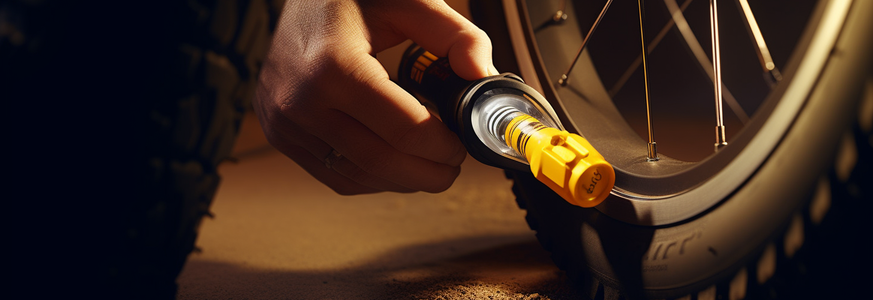 CO2 inflators offer a convenient and efficient way to quickly inflate bicycle tires without the need for traditional pumps. These compact accessories use carbon dioxide cartridges to deliver a quick blast of air to tires, providing a quick and easy solution for cyclists on the go.
When using CO2 inflators, it is important to take certain safety precautions. First, users should ensure they are in a well-ventilated area before using the device, as carbon dioxide can displace oxygen indoors. In addition, it is critical to follow the manufacturer's instructions and avoid over-inflating the tire, as this can cause blowouts or damage.
When comparing CO2 inflators to traditional hand pumps, there are several notable differences. First, CO2 inflators offer much shorter inflation times compared to hand pumps, making them ideal for emergencies or situations where time is critical. Second, their compact size makes them easy to store and transport, as they fit easily into saddlebags or bags. It should be noted, however, that CO2 cartridges are disposable and must be replaced after each use.
CO2 inflators offer a convenient alternative to traditional hand pumps when it comes to quickly inflating bike tires. Although they offer fast inflation times and compact size benefits, users must also exercise caution by following manufacturers' safety guidelines.
Select the right pressure gauge for accurate inflation
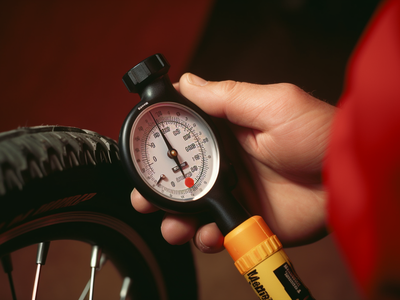 When selecting a pressure gauge for accurate tire inflation, it is important to consider factors such as reliability, accuracy and ease of use. There are several gauge options on the market, each with its own advantages and disadvantages. Analog gauges are popular due to their simplicity and affordable price. They usually have a dial with a needle that indicates tire pressure. However, they may not provide accurate readings and can be affected by external factors such as temperature changes. Digital gauges, on the other hand, offer greater accuracy and are often equipped with additional features such as backlighting or automatic shut-off. These gauges display tire pressure numerically on an LCD screen, making them easy to read. Another option is a combination gauge, which offers both analog and digital readings for maximum convenience.
Proper inflation is critical for optimal performance and safety while cycling. Underinflated tires can lead to increased rolling resistance, reduced stability and a higher risk of punctures. On the other hand, overinflated tires can lead to reduced traction and increased susceptibility to impact damage. Therefore, it is important to have a reliable pressure gauge to ensure that bicycle tires are inflated to the recommended level for optimal performance and longevity.
Choosing the right pressure gauge plays a critical role in maintaining proper tire inflation for bicycles. By considering factors such as reliability, precision, and ease of use when selecting a gauge from the various options available on the market, cyclists can ensure accurate tire inflation for optimal performance and safety during their rides.
Exploring different valve types and compatibility
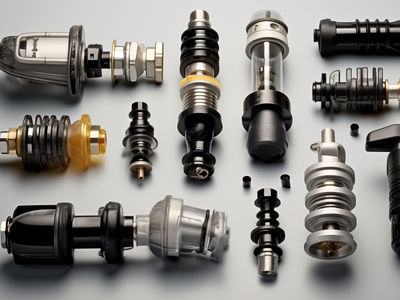 Valve types and their compatibility are important considerations when selecting the appropriate equipment for tire inflation. There are several valve types, each with its own advantages and disadvantages. The two most common valve types for bicycle tires are Presta and Schrader valves.
-
Presta valve: This valve type is commonly found on road bikes and high-end mountain bikes. It features a slim profile that reduces weight and allows for higher tire pressure. Presta valves have a locking nut on top that must be unscrewed before inflating the tire. They require a special pump head or adapter to fit standard pumps.
-
Schrader valve: This type of valve is more commonly found on cars, motorcycles and less expensive bicycles. It has a larger diameter compared to Presta valves and is easier to inflate with standard pumps without an adapter. Schrader valves also have a spring-loaded pin in the center that can be easily pushed in.
When considering tubeless tires, it is important to make sure that the pump or inflator you select is compatible with tubeless systems. Some pumps come with special attachments or settings designed specifically for inflating tubeless tires to make the process faster and more efficient.
Understanding these different valve types and their compatibility helps cyclists make informed decisions when selecting bicycle pump accessories for accurate tire inflation.
Must-have accessories for easy and efficient tire inflation.
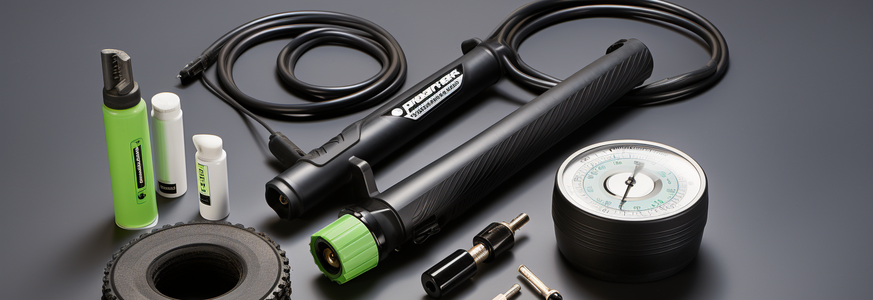 Essential tools and additions can greatly improve the ease and efficiency of tire inflation and ensure a smooth experience. When it comes to bike pump maintenance, regular cleaning and lubrication are crucial. Over time, dust and dirt can accumulate in the pump mechanics and affect performance. It is recommended to clean the pump regularly with a soft cloth and mild detergent. In addition, lubricating the moving parts with silicone-based oil can help maintain smooth operation.
To achieve a fast tire inflation, several tips can be followed. First, it is important to check the tire pressure before beginning the inflation process. This will ensure that the desired pressure is achieved accurately.
Second, attaching a pressure gauge to the pump can provide accurate readings during tire inflation. It allows for precise control over air pressure.
Another useful accessory for efficient tire inflation is a valve adapter set. This set contains various adapters that allow compatibility with the different types of valves commonly found on bicycles. The presence of these adapters ensures compatibility with any type of valve encountered during inflation.
Finally, a floor pump with a large volume chamber facilitates faster filling, since it can deliver more air per stroke than smaller hand pumps or mini pumps.
By using these accessories and following these tips for fast tire inflation, cyclists can enjoy an effortless experience when inflating their bike tires.
More articles that might interest you
/advert/ad-gz9-fahrradlenker-griffzubehoer.png "Ultimate bike handlebars and grip accessories")
/advert/ad-OER-fahrradwerkzeuge-wartungszubehoer.png "Bicycle tools and maintenance accessories")
/advert/ad-PYP-Der-ultimative-Guide-fuer-Fahrrad-Trinkflaschen.png "The ultimate guide for bike water bottles")
/advert/ad-J7y-fahrradtasche-sicher-praktisch.png "The perfect bike bag: tips for a safe and practical luggage solution")
/advert/ad-P09-fahrradhelmzubehoer-sicherheit.png "The most important bicycle helmet accessories for your safety")
/advert/ad-N6c-fahrradschutzbleche-wissenswertes.png "Bicycle mudguards: everything you need to know")
/advert/ad-4Cw-fahrradcomputer-gps-zubehoer.png "Everything you need to know about bike computers and GPS accessories")
/advert/ad-LdD-fahrrad-handyhalterung-zubehoer.png "Bicycle cell phone holder and accessories")
/advert/ad-cXP-fahrradanhaenger-zubehoer-komfort-sicherheit.png "Bicycle trailer accessories: The must-haves for more comfort and safety")
/advert/ad-AFJ-fahrradpedal-cleatzubehoer.png "Everything you need to know about bike pedal and cleat accessories")
/advert/ad-e5i-Die-besten-Fahrradbekleidungs--und-Zubehoer-Tipps-fuer-Radfahrer.png "The best bike clothing and accessories tips for cyclists")
/advert/ad-UTS-fahrradtraeger-bequemes-radfahren.png "The best bike racks for safe and comfortable cycling")
/prod/5/4/4/bimg_544707_41sAfAehxVL.jpg "Crankbrothers Pump Klic HV Gauge midnight")
/prod/5/4/4/bimg_544713_73369169_2498577319.jpg "Crankbrothers Mini pump Sterling S midnight edition")
/prod/5/4/4/bimg_544722_410dq6gAizL.jpg "Crankbrothers Floor pump Sapphire midnight edition")
/prod/5/4/4/imp_1_544726.jpg "Birzman Pump The Pump Halo")
/prod/6/3/7/imp_1_637271.jpg "SKS Airchecker measuring device Rotatable dual head")
/prod/5/4/4/imp_1_544723.jpg "Crankbrothers Pump Klic Digital silver")
/prod/6/3/7/imp_1_637290.jpg "Lezyne Cartridge pump Twin Speed Drive CO2")
/prod/5/4/4/bimg_544709_73369149_1158737509.jpg "Crankbrothers Pump Klic HP")
/prod/6/3/7/imp_1_637104.jpg "4smarts Mini pump electric VoltPump")
/prod/6/3/7/imp_1_637339.jpg "SKS Mini pump Injex Lite")
/prod/5/4/4/bimg_544718_73369150_3312643127.jpg "Crankbrothers Pump Klic HV")
/prod/5/2/8/imp_1_528062.jpg "Happy People Ball pump black")
/prod/6/3/7/imp_1_637050.jpg "Topeak Floor pump JoeBlow Booster")
/prod/5/4/4/imp_1_544706.jpg "Crankbrothers Pump Klic HV Gauge w-CO2 inflator black")
/prod/6/3/7/imp_1_637324.jpg "Lezyne Mini pump Micro Floor Drive HV Black")
/prod/5/4/4/bimg_544711_41IvtsPYDIL.jpg "Crankbrothers Pump Klic HV midnight")
/prod/6/3/6/imp_1_636769.jpg "Lezyne Mini Pump Pocket Drive Black")
/prod/5/4/4/bimg_544719_61x4vhJDgiL.jpg "Crankbrothers Floor pump Sterling silver")