 13 Hours ago
 Posted on Google
 13 Hours ago
Posted on Google
13 Hours ago
Posted on Google 13 Hours ago
Posted on Google
13 Hours ago
Posted on Google 14 Hours ago
Posted on Google
14 Hours ago
Posted on Google 1 Day ago
Posted on Google
1 Day ago
Posted on Google 2 Days ago
Posted on Google
2 Days ago
Posted on Google 3 Days ago
Posted on Google
3 Days ago
Posted on Google 3 Days ago
Posted on Google
3 Days ago
Posted on Google 4 Days ago
Posted on Google
4 Days ago
Posted on GoogleEverything you need to know about bike pedal and cleat accessories
Tips, recommendations and instructions for the optimal equipment of your bike pedals and cleats
 04.07.2023
One could argue that cycling is primarily about the bike itself - its frame, gears and overall performance. However, it would be a serious mistake to overlook the importance of bike pedal and cleat accessories. These often underrated components play a critical role in improving comfort and performance while riding.
This article will highlight various aspects of bicycle pedal and cleat accessories.
While some may question the need to invest in additional pedal and cleat accessories, it is important to acknowledge their potential benefits. Cleat systems, for example, come in different types tailored to specific riding styles and preferences. Upgrading your pedals can also lead to innovative designs that offer improved power transfer and efficiency. In addition, choosing the right cleats according to your riding style can greatly improve stability and control.
To ensure maximum comfort on long rides, pedal accessories such as shoe inserts or padding become essential additions. In addition, proper maintenance and care tips for these components are essential for longevity and optimal performance.
By delving into the world of bicycle pedal and cleat accessories, cyclists can discover a variety of options that enhance their overall riding experience.
Exploring shoe systems: Types and benefits
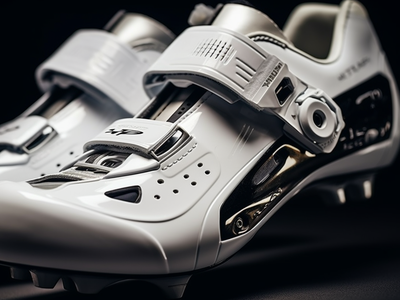 Cleat systems offer cyclists the ability to achieve optimal power transfer and stability while pedaling. With their different designs and mechanisms, there are several types of cleat systems on the market today, each offering their own benefits.
One commonly used type is the three-bolt cleat system. This system consists of three evenly spaced screws that secure the cleat to the bike shoe. The main advantage of this system is that it provides a large contact area between the cleat and the pedal, resulting in improved power transmission. In addition, the three-bolt design provides a secure connection between the shoe and pedal, which ensures stability when pedaling.
Another popular option is the two-bolt cleat system. This system features two screws positioned diagonally opposite each other on the cleat. The two-bolt design allows greater flexibility in foot positioning, making it ideal for mountain biking or other off-road cycling disciplines. In addition, this system makes it easy to click the pedals in and out, which can be an advantage in situations that require quick foot placement on uneven terrain.
There are several types of cleat systems that cyclists can choose from depending on their specific needs and preferences. Whether it's to maximize power transfer or improve off-road maneuverability, choosing an appropriate cleat system can contribute to an enjoyable and efficient cycling experience.
,no_upscale(),format(png)/prod/5/7/4/bimg_574016_61eYuL9U-sL.jpg "Leatt Pedals AllMtn 6.0 Flat #Wide 114x107mm Frost Bronze")
,no_upscale(),format(png)/prod/5/9/7/imp_1_597432.jpg "Restrap Pedal Straps - Horizontal")
,no_upscale(),format(png)/prod/6/8/9/imp_1_689897.jpg "Shimano Shoe plates SM-SH56 SPD")
,no_upscale(),format(png)/prod/3/0/2/bimg_302548_81kM2ipTDJL.jpg "Crank Brothers Pedal Mallet DH (321-050-16094)")
,no_upscale(),format(png)/prod/2/8/9/bimg_289664_81wwwjZy67L.jpg "Crank Brothers Platform pedals Stamp 3 small gray")
,no_upscale(),format(png)/prod/1/9/0/bimg_190283_go_6035271.jpg "Crank Brothers klick pedals mallet enduro - blue")
Upgrade your pedals: innovative designs for improved performance.
 One potential concern that can arise when considering an upgrade to your pedal system is the fear of increased complexity and difficulty in installation. However, there are innovative designs on the market that can significantly improve your cycling performance without sacrificing ease of use.
One important aspect to consider when upgrading your pedals is the alignment of the cleats. Proper alignment ensures that the force applied to the pedals is efficiently transmitted to the bike's drivetrain. This not only maximizes the efficiency of power transfer, but also reduces the risk of injury by minimizing stress on joints and muscles.
Several pedal systems now offer adjustable cleat positions, allowing riders to fine-tune their foot position for optimal comfort and performance. Some designs even offer multiple float options that allow for slight lateral movement while pedaling. This can help reduce pressure points and pressure points on the foot, especially on long rides.
In addition to adjustable cleat positions, innovative pedal designs have also been introduced to improve performance. For example, some pedals have a larger platform area for improved stability and power transfer. Others use lightweight materials like carbon fiber for an improved strength-to-weight ratio.
Overall, upgrading your pedal system with these innovative designs can greatly improve your cycling experience by increasing power transfer efficiency and reducing inconvenience or risk of injury associated with improper cleat alignment.
Selecting the right shoes for your riding style
 Adjusting cleat position to match your riding style can have a significant impact on your cycling performance and overall comfort. Cleats are the small metal or plastic devices that attach to the soles of cycling shoes and snap into the pedals to provide a secure connection between rider and bike. When choosing cleats for your riding style, it's important to consider factors like cleat compatibility and shoe selection.
-
Cleat Compatibility: Different pedal systems have different cleat designs, so it's critical to make sure the cleats you choose are compatible with your pedals. Look for information provided by both pedal and shoe manufacturers to determine which type of cleats will work best for you.
-
Shoe selection: The type of cycling shoes you wear also plays a role in choosing the right cleats. There are several types of cycling shoes, including road shoes, mountain bike shoes, and touring shoes, each designed for specific riding styles. Make sure the cleats you choose are compatible with the type of shoe you plan to use.
-
Float: Some cleats offer an adjustable float feature that allows your feet to move easily from side to side while still staying connected to the pedals. This can reduce stress on your joints and improve comfort during longer rides.
-
Cleat Position: Experimenting with different positions of your cleats can help optimize power transfer and prevent discomfort or injury. It is recommended to seek advice from a professional bike fitter or experienced cyclist to find an optimal position based on your individual biomechanics.
-
Cleat Maintenance: Regularly check and clean your cleats to ensure proper function and longevity. Replace worn or damaged cleats in a timely manner as they can affect both safety and performance.
By considering these factors when selecting and adjusting your cleats, you can not only improve your cycling performance, but also maximize overall comfort during rides.
Maximize comfort: pedal accessories for long rides
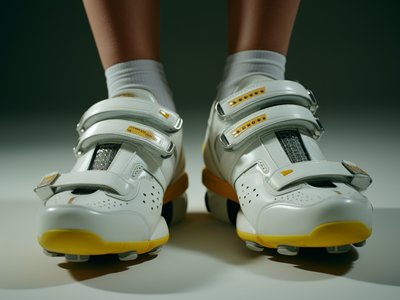 To improve comfort during long rides, cyclists can use a variety of accessories that optimize pedaling performance and reduce stress on the body. An important aspect of this is the ergonomic design of the pedals. Ergonomic pedals are specifically designed to provide better support and stability for the feet and reduce the risk of discomfort or pain during long rides. These pedals often feature a wider platform that distributes pressure more evenly across the foot to minimize hot spots and improve overall comfort.
Another critical factor is proper shoe fit. Shoes that do not fit properly can cause discomfort and even injury during long rides. Cyclists should ensure that their shoes fit properly and provide adequate support for their feet. This can be achieved by choosing shoes with adjustable straps or laces that allow for a custom fit.
In addition to ergonomic pedal design and proper shoe fit, cyclists can also benefit from the use of pedal accessories such as wedge plates or inserts. Wedge plates are small inserts that can be placed between the cycling shoes and the pedal plates, allowing subtle adjustments to correct a misalignment in leg angle or foot position. Insoles, on the other hand, provide additional cushioning and arch support to improve comfort during long rides.
By investing in these pedal accessories and paying attention to ergonomics and shoe fit, cyclists can maximize their comfort on long rides and ensure a pleasant cycling experience while minimizing stress on their bodies.
Maintenance and care tips for bike pedals and cleats.
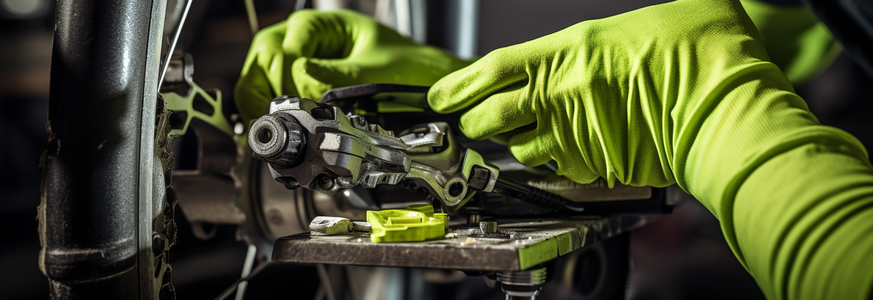 Care and maintenance of your bike pedals and cleats is critical to ensure optimal performance and longevity. Keeping your pedals and cleats in good condition requires regular cleaning.
Start by removing dirt or debris from the surface with a soft brush or cloth. You can then apply a mild cleaning solution to remove stubborn stains or dirt. After cleaning, make sure both the pedals and cleats are thoroughly dry before reattaching them to your bike.
In addition to regular cleaning, it's important to troubleshoot common problems with your pedal system. One common problem is a poor connection between the pedal and cleat. This can be fixed by adjusting the tension on the pedal mechanism or replacing worn cleats.
Another problem that cyclists may face is excessive play or noise coming from the pedal system. In such cases, it is advisable to check for loose bolts or worn bearings that may need to be tightened or replaced.
By following these maintenance and care tips, you can extend the life of your bike pedals and cleats while enjoying consistent performance on long rides. Remember to always consult your bike manufacturer's guidelines for specific cleaning techniques and troubleshooting recommendations tailored to your particular pedal system model.
More articles that might interest you
,format(png)/advert/ad-cOE-ultimative-fahrradpumpe-bild.png "The ultimate bicycle pump")
,format(png)/advert/ad-J7y-fahrradtasche-sicher-praktisch.png "The perfect bike bag: tips for a safe and practical luggage solution")
,format(png)/advert/ad-gz9-fahrradlenker-griffzubehoer.png "Ultimate bike handlebars and grip accessories")
,format(png)/advert/cropped_2_ad-w2H-freshe-treter-geld-wert-2023.jpg "Is Freshe Treter worth the money?")
,format(png)/advert/ad-4Cw-fahrradcomputer-gps-zubehoer.png "Everything you need to know about bike computers and GPS accessories")
,format(png)/advert/ad-nO2-fahrrad-kettenwartung.png "Bicycle chain maintenance")
,format(png)/advert/ad-cXP-fahrradanhaenger-zubehoer-komfort-sicherheit.png "Bicycle trailer accessories: The must-haves for more comfort and safety")
,format(png)/advert/ad-P09-fahrradhelmzubehoer-sicherheit.png "The most important bicycle helmet accessories for your safety")
,format(png)/advert/ad-UTS-fahrradtraeger-bequemes-radfahren.png "The best bike racks for safe and comfortable cycling")
,format(png)/advert/ad-5iU-die-ultimative-anleitung-fahrradreifenwartung.png "The ultimate guide to bicycle tire maintenance")
,format(png)/advert/ad-bAH-fahrradschloss-wissen.png "Everything you need to know about bike locks")
,format(png)/advert/ad-PYP-Der-ultimative-Guide-fuer-Fahrrad-Trinkflaschen.png "The ultimate guide for bike water bottles")
,no_upscale(),format(png)/prod/3/0/2/bimg_302564_go_88350.jpg "Crank Brothers Pedal Stamp 3 large - gray")
,no_upscale(),format(png)/prod/3/0/2/bimg_302549_go_88346.jpg "Crank Brothers Pedal Mallet DH (321-050-16095)")
,no_upscale(),format(png)/prod/1/9/0/bimg_190282_go_6052391.jpg "Crank Brothers click pedals mallet enduro - black")
,no_upscale(),format(png)/prod/3/0/2/bimg_302573_go_6146864.jpg "Crank Brothers Pedal Candy 2")
,no_upscale(),format(png)/prod/2/8/9/bimg_289677_58345616_xxl3.jpg "Shimano PD-GR500 platform pedals black")
,no_upscale(),format(png)/prod/3/0/2/bimg_302536_451831-2024-10-23_09-30-54-1080p.jpg "Crank Brothers Pedal Egg Beater 1")
,no_upscale(),format(png)/prod/3/0/2/imp_2_MP9S_302535.jpg "Crank Brothers Pin Kit Flat - 8 mm")
,no_upscale(),format(png)/prod/1/9/0/bimg_190280_go_9852368.jpg "Crank Brothers klick pedals candy 1 - blue")
,no_upscale(),format(png)/prod/4/4/2/bimg_442337_71Yitne+OaL.jpg "Crankbrothers Pedal Mallet DH high polish silver")
,no_upscale(),format(png)/prod/1/9/0/bimg_190279_go_2352354.jpg "Crank Brothers klick pedals candy 1 - red")
,no_upscale(),format(png)/prod/2/8/9/imp_1_sZzq_289662.jpg "Crank Brothers Platform pedals Stamp 3 large gray")
,no_upscale(),format(png)/prod/2/8/9/imp_1_289656.jpg "Crank Brothers Bicycle pedals Stamp 7 large MacAskill Edition black")
,no_upscale(),format(png)/prod/3/0/2/bimg_302547_71vrtxkXm3L.jpg "Crank Brothers Pedal Mallet Enduro 11")
,no_upscale(),format(png)/prod/2/8/9/imp_1_jaGv_289652.jpg "Crank Brothers Eggbeater 1 clipless pedals black / silver")
,no_upscale(),format(png)/prod/4/4/1/bimg_441973_71bY3PJJoAL.jpg "Crankbrothers Upgrade kit pedal axle long")
,no_upscale(),format(png)/prod/1/9/0/imp_1_190276.jpg "Crank Brothers hybrid pedals double shot 1 - red")
,no_upscale(),format(png)/prod/1/9/0/bimg_190278_go_4952334.jpg "Crank Brothers klick pedals candy 1 - black")
,no_upscale(),format(png)/prod/3/0/2/bimg_302563_71Z3Oqx45PL.jpg "Crank Brothers Pedal Stamp 3 large - black")