 2 Hours ago
 Posted on Google
 13 Hours ago
Posted on Google
13 Hours ago
Posted on Google 15 Hours ago
Posted on Google
15 Hours ago
Posted on Google 2 Days ago
Posted on Google
2 Days ago
Posted on Google 2 Days ago
Posted on Google
2 Days ago
Posted on Google 2 Days ago
Posted on Google
2 Days ago
Posted on Google 2 Days ago
Posted on Google
2 Days ago
Posted on Google 2 Days ago
Posted on Google
2 Days ago
Posted on Google 3 Days ago
Posted on Google
3 Days ago
Posted on GoogleDiscover the best raclette recipe with 8 essential ingredients
 20.09.2023
In Switzerland, 90% of households enjoy the traditional dish of raclette at least once a year. This cozy, intimate meal is a culinary symphony of eight essential ingredients.
Our guide will walk you through the selection of raclette cheese, potatoes and meat, as well as the crucial role of pickles and onions.
Discover the art of assembling and melting your raclette to perfection.
Prepare for a flavorful journey that will enhance your raclette experience.
Understanding Raclette: A culinary delight from Switzerland
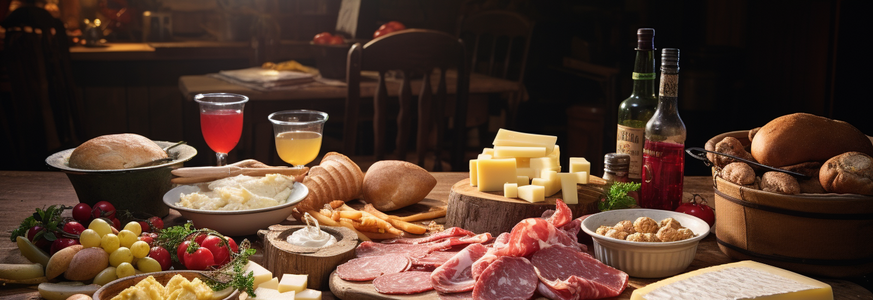 Raclette, the culinary specialty of Switzerland, is a tantalizing dish that requires an understanding of its unique preparation and ingredient selection. It is not just a meal, but an intimate gathering centered around a shared culinary experience. The simplicity of raclette, which is deeply rooted in the history of Swiss cuisine, belies its rich, indulgent flavor profile that is both rustic and sophisticated.
Raclette's main ingredient is the eponymous semi-hard cheese, which is traditionally melted over an open fire and then scraped onto boiled potatoes, pickles and sausages. The communal aspect of its preparation makes it a popular dish for cozy winter gatherings, creating an atmosphere of warmth and camaraderie.
Raclette variations have adapted to local tastes around the world. In France, for example, raclette is often served with charcuterie and crusty bread. Across the Atlantic, American versions may include vegetables such as broccoli and peppers. Regardless of the variations, the essence of raclette remains: a shared experience of melting, scraping, and savoring that creates an intimate connection between food, place, and company. This is the real charm of raclette, making it a timeless favorite of Swiss cuisine and beyond.
The eight key ingredients for a perfect raclette
The cornerstone of an authentic raclette undoubtedly lies in the careful selection of eight essential ingredients and methodical preparation. The journey to culinary perfection begins with these basics - the foundation of your raclette recipe. This intimate affair with food requires a thorough understanding of ingredient sourcing and key raclette equipment.
A comprehensive guide to sourcing ingredients is critical. Not all ingredients are created equal, and it is the quality that turns a good raclette into a memorable one. Below are some important factors to consider:
- Source your cheese from reputable suppliers. Swiss or French raclette cheese is ideal.
- Opt for fresh, organic vegetables. Potatoes, pickled onions and pickles are often served with raclette.
- Choose high-quality, cured meats. Traditional options include prosciutto, salami or ham.
- The right seasoning can enhance your dish. Think sea salt, black pepper and paprika.
Raclette equipment also plays an important role. A raclette grill is essential; it melts the cheese perfectly and grills vegetables and meat at the same time. With this knowledge, you are one step closer to preparing the perfect raclette.
,no_upscale(),format(png)/prod/4/9/4/imp_1_494012.jpg "Koenig B02245 Plate raclette Maxvit")
 139.00
,no_upscale(),format(png)/prod/5/1/1/imp_1_511741.jpg "Nouvel Raclette replacement pans 2 pieces non-stick coated with Kun")
,no_upscale(),format(png)/prod/1/3/7/imp_1_137885.jpg "Solis Table Grill 5 in 1 Type 791 No. 977.46")
,no_upscale(),format(png)/prod/5/3/8/imp_1_538050.jpg "Trisa 2er Raclette Premium")
,no_upscale(),format(png)/prod/5/1/0/imp_1_51055.jpg "Stöckli Raclette grill twinboard set anthracite 0010.901")
,no_upscale(),format(png)/prod/5/5/3/bimg_553043_0766926.jpg "Russell Hobbs rice stove cook @ home stainless steel 19750-56 1975056 (19750-56)")
Choosing the right raclette cheese: an important ingredient.
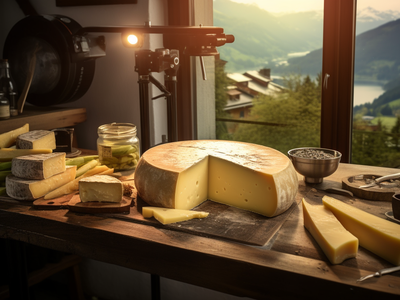 Choosing a sufficient amount of high-quality raclette cheese, known for its optimal melting properties, is a crucial step in creating an unforgettable raclette dish. This Swiss delicacy, with roots dating back to Alpine shepherds, offers an intimate culinary experience that has withstood the test of time.
When exploring cheeses, raclette stands out with its creamy texture and distinctive flavor. As it melts, it forms a golden crust that visually enhances the dish and gives it a unique flavor. The journey of raclette from the Swiss Alps to the kitchens of the world is one of the most fascinating origin stories of raclette.
Choosing the right raclette can be likened to choosing a dance partner: it must harmonize perfectly with the other ingredients, enhancing their flavors rather than overpowering them. Look for a semi-hard raclette cheese with small holes and a beige rind. The cheese should melt easily without becoming too runny. A good raclette will have a milky, nutty flavor with a slight hint of fruitiness.
Ultimately, a perfect raclette dish is not just about the cheese, but about creating an intimate, shared experience that leaves a lasting impression.
The role of potatoes in your raclette recipe.
 In addition to choosing raclette cheese, it's equally important to understand the role of potatoes in your raclette recipe, as they serve as a delicious base for the melted cheese and other toppings. The perfect potato should be firm and have a strong flavor that stands up to the robust nature of the cheese. The most commonly used "potato varieties for raclette" are firm or firm potatoes such as Charlotte, Yukon Gold or red potatoes.
When it comes to "cooking techniques for potatoes", keep in mind that they should be boiled or steamed until they are soft but not falling apart. Here are some tips to keep in mind:
- Choose potatoes of similar size so they cook evenly.
- Start boiling the potatoes in cold water so that the inside and the outside are cooked evenly.
- Salt the water generously. This will enhance the flavor of the potatoes.
- Do not overcook. Overcooked potatoes will become mushy and lose their shape.
Incorporate meat into your raclette dish
Although potatoes and cheese are the essential components of a raclette dish, the addition of meat can add a delicious depth of flavor and satiety to the dish. Meat choices range from traditional options like chicken and beef to more exotic options like duck and venison. In addition, there are also meat alternatives for raclette for those who prefer plant-based alternatives.
Marinating techniques for raclette meat can greatly enhance the flavor profile of your dish. A simple marinade of olive oil, garlic and herbs can work wonders. For a more intense flavor, marinate your meat in red wine, soy sauce or balsamic vinegar.
| Meat type | Marinating technique |
|---|---|
| Traditional (beef, chicken) | Olive oil, garlic, herbs |
| Exotic (duck, game) | red wine, soy sauce |
| Meat alternatives | Balsamic vinegar, soy sauce |
The intimacy of a raclette meal comes not only from the shared experience of cooking, but also from experimenting with different ingredients. So be bold and adventurous in your choice of meat and marinating techniques for raclette, and enjoy the delicious results.
The importance of pickles and onions in enhancing the flavor.
 Pickles and onions are important ingredients in a raclette dish because of their tanginess and crunchiness, and they help improve the flavor and texture. These two ingredients add a unique spice to raclette that beautifully complements the richness of the melted cheese and hearty meat.
Knowing the different types of cucumbers and onions will help enhance your raclette dish. Let's take a closer look at the different options:
- Dill pickles: they can add a traditional, spicy kick to your raclette.
- Bread and butter pickles: they offer a delightful sweet-tart contrast.
- Red onions: their mild flavor and colorful presentation can add visual interest to the dish.
- White Onions: their strong flavor makes them a versatile choice for most raclette recipes.
Choosing the perfect type of pickles and onions can be a very personal decision, influenced by your taste preferences and desired overall balance of flavors.
This intimate engagement with the ingredients can make the raclette experience even more enriching. So get involved in this culinary adventure, and let your taste buds guide your selection.
The art of assembling and melting your raclette.
For many culinary enthusiasts, assembling and melting a raclette is an art form that requires a delicate balance of flavors and textures. This intimate dance of elements requires a thorough understanding of melting techniques and a keen eye for cheese alternatives that can enhance the overall dish.
The art of melting a raclette is a lesson in patience and precision. The cheese should be melted slowly, over low and even heat, so that it does not burn or melt unevenly. This technique ensures that the cheese retains its creamy texture and rich flavor, which are the heart of this popular dish.
When it comes to cheese alternatives, there are a variety of options. Each variation brings a unique flavor profile to the table and makes raclette even more complex. Comté, for example, offers a nutty flavor, while Gruyère has a slightly sweet note. The choice of cheese can drastically change the character of the raclette, making it a versatile dish that can be adapted to individual tastes.
The art of assembling and melting a raclette is a true testament to a chef's creativity and skill.
Tips and tricks for serving and enjoying your raclette dish.
 To enhance your raclette experience, it's important to know some key tips and tricks for serving and enjoying this delicious dish. The combination of melted cheese, potatoes and other accompaniments can be a culinary delight when served properly. The whole experience can be an intimate and memorable one if you know the key raclette equipment and suggestions for wine pairings.
- Always preheat the raclette grill for a few minutes before using it so that the cheese melts evenly.
- Choose a variety of side dishes such as potatoes, pickles and sausages to balance the richness of the cheese.
- Choose a wine that pairs well with the raclette. A crisp white wine, like a Swiss Fendant, is often recommended because it breaks up the richness of the cheese.
- Finally, take it slow. Raclette is best enjoyed at a leisurely pace, allowing the cheese to melt and the flavors to develop.
More articles that might interest you
,format(png)/advert/cropped_2_ad_img_fAexp.png "The ultimate coffee guide")
,format(png)/advert/ad-uAG-bier-kalorien.png "How many calories are in a beer?")
,format(png)/advert/ad-XBk-raclette-rezept-leitlinien.png "10 Comprehensive Guidelines for Mastering the Raclette Recipe")
,format(png)/advert/ad-Z6m-gas-fondue-brenner-fondue-erlebnis-verbessern.png "How do gas fondue burners enhance your fondue experience?")
,format(png)/advert/ad-YOy-gourmet-fondue-zubereitung.png "The preparation of a gourmet fondue")
,format(png)/advert/ad-dDT-kaesefondue-weinsorten.png "Which wines harmonize perfectly with the richness of cheese fondue?")
,format(png)/advert/cropped_2_ad_coffee_FfOFP.jpg "The ultimate guide to automatic coffee machines")
,format(png)/advert/ad-YPY-brennstoffwahl-fondue-erlebnis.png "What impact does the choice of fuel have on your fondue experience?")
,no_upscale(),format(png)/prod/1/5/5/imp_1_155951.jpg "Nouvel raclette device docking 8")
,no_upscale(),format(png)/prod/3/1/2/bimg_31253_996067572.jpg "Stöckli Raclette cheeseboard grill 4 people black 0007.01")
,no_upscale(),format(png)/prod/4/3/0/bimg_43090_199458d5ceef385c4b9778fbaac196986d22f1bf.webp "Stöckli Raclette grill twinboard base anthracite 0010.01")
,no_upscale(),format(png)/prod/5/3/8/imp_1_538049.jpg "Trisa 4er Raclette Premium")
,no_upscale(),format(png)/prod/2/5/1/bimg_251459_57879456_xxl3.jpg "Trisa Raclette grill Hot Stone 8 persons")
,no_upscale(),format(png)/prod/4/6/6/bimg_466465_1410941_20230427_134112.jpg "Nouvel Raclette - device, 8 persons, 1200 W Black")
,no_upscale(),format(png)/prod/4/6/6/imp_1_466466.jpg "Nouvel Raclette Wood Grill and Pizza")
,no_upscale(),format(png)/prod/4/3/0/imp_1_43091.jpg "Stöckli Raclette grill twinboard additional device anthracite 0010.00")
,no_upscale(),format(png)/prod/7/7/0/bimg_770689_298142442_xxl3.jpg "Nouvel Raclette Grill Edelweiss Flag Black, 4 people")
,no_upscale(),format(png)/prod/7/7/0/imp_1_770655.jpg "Furber Raclette oven Festa for 8 people 1200 W")
,no_upscale(),format(png)/prod/5/5/9/bimg_559506_1458486_20240814_122229.jpg "Severin RG 9670 Black")
,no_upscale(),format(png)/prod/7/2/3/imp_1_723619.jpg "Kisag Raclette attachment Sierre 25x23x6.8 cm")
,no_upscale(),format(png)/prod/7/1/7/imp_1_717325.jpg "Raclette Grill CheeseGrill 6 - anthracite")
,no_upscale(),format(png)/prod/7/7/0/imp_1_770716.jpg "Princess Table Chef Premium 1500W Table Grill")
,no_upscale(),format(png)/prod/7/7/0/imp_1_770653.jpg "Furber Raclette oven Festa for 4 people 650 W")
,no_upscale(),format(png)/prod/4/5/2/imp_1_452568.jpg "Russell Hobbs Multi Raclette 3 in 1 Black")
,no_upscale(),format(png)/prod/5/3/8/imp_1_538047.jpg "Trisa Raclette Fondue Fusion")
,no_upscale(),format(png)/prod/1/5/6/bimg_156006_57881135_xxl3.jpg "Tristar raclette with grill plate")