 17 Hours ago
 Posted on Google
 23 Hours ago
Posted on Google
23 Hours ago
Posted on Google 1 Day ago
Posted on Google
1 Day ago
Posted on Google 1 Day ago
Posted on Google
1 Day ago
Posted on Google 2 Days ago
Posted on Google
2 Days ago
Posted on Google 2 Days ago
Posted on Google
2 Days ago
Posted on Google 3 Days ago
Posted on Google
3 Days ago
Posted on Google 3 Days ago
Posted on Google
3 Days ago
Posted on Google 3 Days ago
Posted on Google
3 Days ago
Posted on Google10 Comprehensive Guidelines for Mastering the Raclette Recipe
 20.09.2023
Have you always wanted to know how to perfect the art of the raclette recipe? This guide illuminates the journey from its historical origins to your plate.
You'll gain invaluable insights into cheese selection, key equipment, preparation strategies and presentation methods.
We also address common problems and provide advanced tips for those who want to master the culinary craft.
Welcome to the fascinating world of raclette recipes, where tradition meets modern cooking techniques to make every meal an intimate, memorable experience.
Understanding the history of the raclette recipe
 Exploring the fascinating history of the raclette recipe offers a nuanced understanding of its culinary evolution and cultural significance.
Originating in the Swiss Alps, Raclette Recepte is more than just a dish; it is a tradition rooted in the rituals and communal practices of Alpine cowherders. The origins of raclette can be traced back to the Middle Ages, when cowherds would melt a wheel of cheese over a fire and scrape the gooey top layer onto boiled potatoes and pickles.
The cultural significance of Raclette Recepte is deeply rooted in its communal nature. It was and is a communal meal that brings people together and symbolizes unity and camaraderie. It is a dish that evokes a sense of familiarity, making it perfect for family reunions and friendly gatherings. The scraping of the cheese is not only a delicious spectacle, but also a tribute to the community spirit and unity that raclette embodies.
Understanding the history of Raclette Recepte allows us to appreciate not only its culinary delights, but also its cultural richness. It reminds us of the power of food to bring people together and foster a sense of community identity.
The art of choosing cheese
 When choosing the right cheese for a raclette recipe, it is important not only to know its texture and flavor profile, but also to consider the personal preferences of the guests enjoying the meal. Traditionally used raclette cheese gives the dish a creamy and slightly nutty flavor.
However, each person has a unique palate, and this should be taken into account when selecting the cheese. For people who are sensitive to lactose, lactose-free alternatives such as Swiss Emmental or French Comté can be an excellent solution, offering a similar taste experience without the inconvenience.
The storage of the cheese also plays a crucial role in the quality of the cheese. Proper storage ensures that the texture and flavor are preserved and the overall raclette reception experience is enhanced. Cheese should be stored in a cool, moist environment, preferably at the bottom of the refrigerator. It is best to wrap the cheese in wax paper so it can breathe and not dry out.
If you understand the art of cheese selection and storage for the raclette recipe, you can turn a simple meal into an intimate gourmet experience tailored to the unique tastes of your loved ones.
Essential equipment for raclette recipes.
Investing in a high-quality raclette grill and the right cheese scraper is crucial to mastering the raclette recipe, and these tools greatly increase the ease and enjoyment of the preparation process. The benefits of the raclette grill and cheese scraper are many and can truly transform your culinary experience.
The raclette grill provides a constant and even distribution of heat so that the cheese melts evenly, while the cheese slicer allows for precise and effortless cutting of the cheese. Both tools are essential to achieve the authentic taste and texture of the raclette recipe.
Here's a simple chart that clarifies their importance:
| Equipment | Use |
|---|---|
| Raclette grill | Constant and even heat distribution |
| Cheese cutter | Precise and effortless cutting |
As you embark on your raclette recipe journey, remember that the equipment you use is just as important as the ingredients. Investing in high-quality equipment will not only make your cooking process smoother and more enjoyable, but it will also get you closer to the perfect raclette recipe we all want.
,no_upscale(),format(png)/prod/4/9/4/imp_1_494012.jpg "Koenig B02245 Plate raclette Maxvit")
 139.00
,no_upscale(),format(png)/prod/5/1/1/imp_1_511741.jpg "Nouvel Raclette replacement pans 2 pieces non-stick coated with Kun")
,no_upscale(),format(png)/prod/2/5/1/bimg_251459_57879456_xxl3.jpg "Trisa Raclette grill Hot Stone 8 persons")
,no_upscale(),format(png)/prod/4/3/0/bimg_43090_199458d5ceef385c4b9778fbaac196986d22f1bf.webp "Stöckli Raclette grill twinboard base anthracite 0010.01")
,no_upscale(),format(png)/prod/5/3/8/imp_1_538049.jpg "Trisa 4er Raclette Premium")
,no_upscale(),format(png)/prod/4/6/6/imp_1_466466.jpg "Nouvel Raclette Wood Grill and Pizza")
Preparing the ingredients: Tips and tricks
The way a chef prepares his or her ingredients can make or break the taste of the raclette recipe, and knowing the right techniques can greatly improve the overall flavor of the dish. Ingredient selection and preparation safety are paramount to a delicious and safe raclette recipe.
Ingredient Selection: Choosing fresh, high-quality ingredients is the first step to a tasty raclette recipe. Choosing the right cheese, for example, can completely change the dish. Opt for semi-hard alpine cheeses such as Raclette du Valais or Gruyère for the best results.
Preparation Safety: Hygiene is critical to the safety of your dish. Always clean your ingredients thoroughly, especially vegetables. Also, keep your kitchen utensils clean and sterilized to avoid cross-contamination.
Execution: perfect your raclette recipe by using proper techniques during preparation. For example, slice the cheese thin enough to melt evenly, but not so thin that it loses its body.
The step-by-step process of melting raclette.
In our journey to perfecting the raclette recipe, we have reached the crucial stage of melting the raclette, and a thorough understanding of this process can have a significant impact on the final result. The effects of cheese selection and variations in raclette texture are of utmost importance at this stage.
To understand the process thoroughly, follow this step-by-step guide, summarized in the table below:
| Steps | Description | Effect |
|---|---|---|
| Selection | Choosing the right raclette cheese is critical. Opt for semi-hard cheeses to achieve a mild flavor. | The choice of cheese will affect the flavor and aroma of the finished dish. |
| Preparation | Cut the cheese into thin slices. This ensures even melting and optimal texture. | This will affect the variations in raclette texture and the speed of the melting process. |
| Melting | Place the cheese slices in a raclette grill until they bubble and brown slightly. | The melting process determines the consistency and richness of the cheese. |
How to accompany your melted cheese: The perfect combinations
 While the melted raclette cheese is undoubtedly the star of the show, the accompaniments you choose can greatly enhance the entire dining experience, which is why it's important to pick the perfect combination for your cheese.
Let's dive into this intimate culinary art, focusing on two key aspects: wine selection and condiment choice.
-
TheWine Selection: To complement the rich, creamy raclette, choose a wine that provides a crisp counterpoint. A dry white wine, such as a Swiss Fendant or a French Sancerre, can provide a refreshing contrast to the bold flavor of the cheese.
-
Choice of seasonings: The right condiments can enhance the flavor of the raclette. Traditional options include pickles and onions, which offer a spicy kick. Adventurous guests can opt for a spicy chili jam or a sweet fruit jam.
-
Other side dishes: in addition to wine and spices, you can pair your raclette with potatoes or sausages. These savory side dishes can balance out the richness of the cheese.
Serving Raclette Recipe: Presentation matters
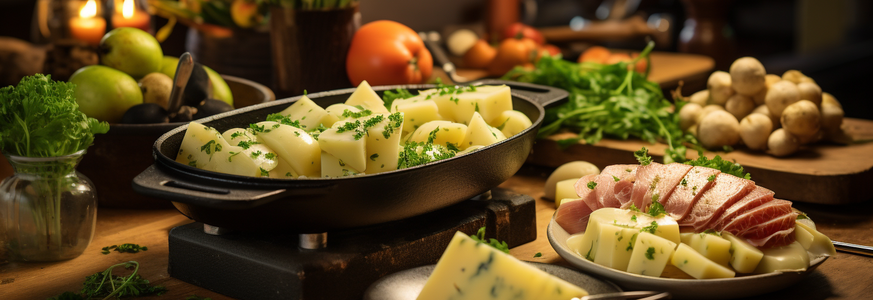 Balancing the visual appeal of your raclette recipe with the practicalities of serving it is an art in itself, requiring thoughtful arrangement and attention to detail. The impressive experience of a raclette recipe meal begins with the aesthetics of the table and ends with the elegant cheese draping technique.
The aesthetic design of the Raclette Recipe table is about more than just attractiveness. It's about creating an intimate environment that invites interaction. The table should be adorned with elements that complement the meal while fostering a sense of community.
The technique of draping cheese, on the other hand, is an essential part of the raclette reception experience. The tantalizing sight of melted cheese cascading onto the plate is a feast for the senses.
To illustrate, take a look at the table below:
| Aesthetics of the table setting | Techniques for draping the cheese |
|---|---|
| Use of warm, inviting colors | Use of a raclette grill |
| Centerpiece that complements the cheese | Cheese slices of the right thickness |
| Suitable table linen | Smooth draping throughout |
| Lighting that visually accentuates the cheese | Combination of cheese and accompaniments |
| Sufficient space for serving and interacting | Maintaining the proper temperature |
The pros and cons of making a raclette recipe
 As we delve into the intricate pros and cons of preparing a raclette recipe, it's important to remember that each step, from the selection of quality cheese to the final presentation, can have a big impact on the overall dining experience. The magic lies in the balance of ingredients, the seasoning of the recipe and the mastery of the cooking process.
-
Choosing thecheese: opt for high quality raclette cheese and make sure it is fresh and properly stored to preserve its unique flavor. It is the heart of the dish and forms the basis for all raclette variations.
-
Recipe seasoning: don't underestimate the power of the right seasoning. A blend of salt, pepper and nutmeg can enhance the natural flavors of the cheese without overpowering them.
-
Cooking process: maintain a constant, moderate heat. Overheating can cause the cheese to become rubbery and lose its creamy texture.
In our shared journey of culinary discovery, understanding these nuances can take your raclette recipe from simply good to truly exceptional.
Taste, after all, is a multi-sensory experience, and every bit of care in preparation contributes to a treasured, intimate dining experience.
Troubleshooting common problems with the raclette recipe.
 Now that we've covered the essential elements of preparing a raclette recipe, it's important to address common problems that can arise during the process and suggest effective solutions to those problems.
One common problem that many face is cleaning the raclette grill. Here are some tips for raclette cleaning: while the grill is still warm, not hot, wipe it down with a damp cloth. For stubborn stains, a mixture of baking soda and water works wonders.
For cheese that doesn't melt evenly, problem-solving techniques are helpful. Make sure the raclette cheese is cut into even slices, not too thick, and is at room temperature before you start cooking. This will help the cheese melt evenly.
If the potatoes are overcooked or undercooked, you will need to closely monitor the cooking time and temperature. Always start with cold water when cooking potatoes, bring to a boil, then cook until just tender.
Take your raclette recipe to the next level: advanced tips.
With our advanced raclette recipe tips, you'll learn how high-quality ingredients and innovative cooking techniques can greatly enhance the flavor profile of this traditional Swiss dish. This intimate culinary journey invites you to experiment with ingredients and discover new raclette variations.
Three transformative suggestions are:
-
Experiment with ingredients: don't be afraid to deviate from the traditional recipe. Try using different cheeses, such as a bold Gouda or a creamy Camembert, which can add unexpected depths of flavor to your raclette recipe.
-
Culinary techniques: Change up your cooking methods. Experiment with slow cooking the cheese for a deeper, more complex flavor profile. Short sautéing can also create a gorgeous golden crust that adds texture.
-
Raclette Variations: Experiment with additions. Fresh herbs, roasted garlic or even a splash of white wine can transform traditional raclette into a culinary delight.
More articles that might interest you
,format(png)/advert/ad-dDT-kaesefondue-weinsorten.png "Which wines harmonize perfectly with the richness of cheese fondue?")
,format(png)/advert/ad-uAG-bier-kalorien.png "How many calories are in a beer?")
,format(png)/advert/ad-YPY-brennstoffwahl-fondue-erlebnis.png "What impact does the choice of fuel have on your fondue experience?")
,format(png)/advert/ad-0np-raclette-rezept-8-zutaten.png "Discover the best raclette recipe with 8 essential ingredients")
,format(png)/advert/ad-YOy-gourmet-fondue-zubereitung.png "The preparation of a gourmet fondue")
,format(png)/advert/cropped_2_ad_img_fAexp.png "The ultimate coffee guide")
,format(png)/advert/ad-Z6m-gas-fondue-brenner-fondue-erlebnis-verbessern.png "How do gas fondue burners enhance your fondue experience?")
,format(png)/advert/cropped_2_ad_coffee_FfOFP.jpg "The ultimate guide to automatic coffee machines")
,no_upscale(),format(png)/prod/3/1/2/bimg_31253_996067572.jpg "Stöckli Raclette cheeseboard grill 4 people black 0007.01")
,no_upscale(),format(png)/prod/7/7/0/imp_1_770653.jpg "Furber Raclette oven Festa for 4 people 650 W")
,no_upscale(),format(png)/prod/7/7/0/imp_1_770716.jpg "Princess Table Chef Premium 1500W Table Grill")
,no_upscale(),format(png)/prod/7/7/0/bimg_770689_298142442_xxl3.jpg "Nouvel Raclette Grill Edelweiss Flag Black, 4 people")
,no_upscale(),format(png)/prod/1/5/6/bimg_156006_57881135_xxl3.jpg "Tristar raclette with grill plate")
,no_upscale(),format(png)/prod/8/5/1/imp_1_851952.jpg "Novis Raclette Grill Classic for 6 People in Anthracite")
,no_upscale(),format(png)/prod/7/7/0/imp_2_770652.jpg "Furber Raclette oven Festa for 2 people 350 W")
,no_upscale(),format(png)/prod/7/1/7/imp_1_717325.jpg "Raclette Grill CheeseGrill 6 - anthracite")
,no_upscale(),format(png)/prod/5/5/9/bimg_559506_1458486_20240814_122229.jpg "Severin RG 9670 Black")
,no_upscale(),format(png)/prod/4/5/2/imp_1_452568.jpg "Russell Hobbs Multi Raclette 3 in 1 Black")
,no_upscale(),format(png)/prod/5/3/8/imp_1_538047.jpg "Trisa Raclette Fondue Fusion")
,no_upscale(),format(png)/prod/1/6/5/bimg_165168_go_6990575.jpg "Stöckli HH Raclette device Swing 0011.01")
,no_upscale(),format(png)/prod/1/5/5/bimg_155972_58086121_xxl3.jpg "Ohmex raclette grill 4 in 1")
,no_upscale(),format(png)/prod/1/5/5/bimg_155947_58078875_xxl3.jpg "Nouvel raclette device ch-cross")
,no_upscale(),format(png)/prod/7/5/1/bimg_75120_423067712.jpg "Tefal Wok Gourmet Party PY5828")
,no_upscale(),format(png)/prod/1/3/7/imp_1_137885.jpg "Solis Table Grill 5 in 1 Type 791 No. 977.46")
,no_upscale(),format(png)/prod/4/7/6/bimg_476577_0655302.jpg "Koenig Raclette grill 8s chrome")
,no_upscale(),format(png)/prod/4/7/6/bimg_476579_1174797_20171010_120002.jpg "Koenig Raclette Gourmet Grill and Stone 4pcs")