 22 Hours ago
 Posted on Google
 2 Days ago
Posted on Google
2 Days ago
Posted on Google 2 Days ago
Posted on Google
2 Days ago
Posted on Google 2 Days ago
Posted on Google
2 Days ago
Posted on Google 3 Days ago
Posted on Google
3 Days ago
Posted on Google 3 Days ago
Posted on Google
3 Days ago
Posted on Google 3 Days ago
Posted on Google
3 Days ago
Posted on Google 3 Days ago
Posted on Google
3 Days ago
Posted on Google 4 Days ago
Posted on Google
4 Days ago
Posted on GoogleGrill master
The ultimate guide to mastering the art of grilling
 23.05.2023
Grilling is a centuries-old culinary tradition enjoyed by people around the world. It is a cooking technique that involves applying direct heat to food, usually over an open flame or hot coals. Grilling is not only a way to prepare delicious meals, but also a social activity that brings people together.
In recent years, grilling has become increasingly popular as more people look for ways to cook outdoors and connect with nature. However, mastering the art of grilling can be challenging for beginners, who are often overwhelmed by the different types of grills, the various techniques, and the endless recipes.
This ultimate guide is designed to provide readers with all the information they need to become confident and skillful grill masters who can create delicious meals every time they fire up their grills.
The Grilling
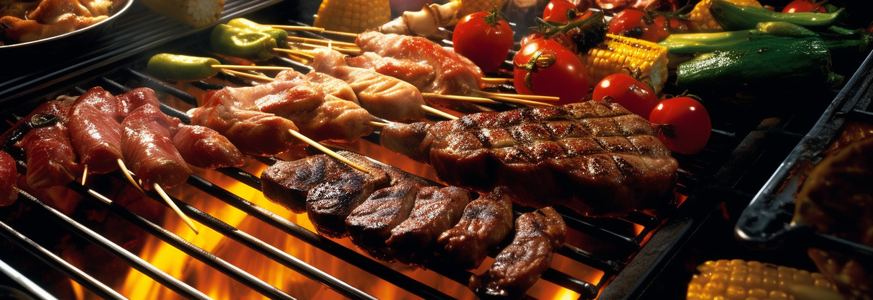 Introduction provides an impartial overview of the process of cooking food over an open flame or other heat source. Grilling has a rich history dating back to ancient civilizations such as the Greeks and Romans, who grilled meat on skewers over charcoal fires. Today, grilling has become a favorite pastime for many people around the world, with its popularity increasing during the summer months.
Grilling offers many benefits, such as improving the flavor and texture of meat, while also being a healthier cooking method compared to frying. However, it is important to use the right equipment when grilling and follow safety tips to avoid accidents. Before you start a grilling session, make sure you have all the necessary equipment such as tongs, a spatula and a grill brush.
Additionally, it's important to choose the right fuel source for your grill based on personal preference and availability in your area. Common fuel sources include propane tanks or charcoal briquettes. Meat cuts also play an important role in grilling. Understanding which cuts are best for grilling can achieve optimal flavor and texture experiences. Finally, pairing meats with complementary flavors can add depth and dimension to your grilled dishes without overpowering them with spices or sauces.
Types of grills
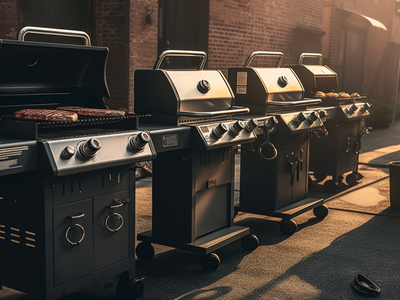 Understanding the different types of grills on the market can help individuals make informed decisions when choosing a grill that fits their preferences and needs. Portable grills, gas grills, charcoal grills, pellet grills, electric grills, smoker grills and infrared grills are among the most common types. Each type has its unique features that meet specific cooking styles and requirements.
Portable grills are easy to transport and ideal for outdoor activities like camping. They are available in different sizes and fuel types such as gas or charcoal. Gas grills are perfect for those who want quick and convenient cooking without the hassle of lighting a fire. Charcoal grills offer more flavor, but require more time to heat up compared to gas grills. Pellet grills use wood pellets as fuel to smoke meat, while electric grills use electricity to provide constant heat.
Smoker grills use smoke to enhance the flavor of food by cooking it slowly at low temperatures for a longer period of time. Infrared technology is used in infrared grills, which offer faster cooking times with less flame buildup than traditional gas or charcoal methods. Knowing these distinctions can help people determine which type of grill best suits their individual needs without compromising taste or convenience.
/prod/2/0/0/imp_1_200674.jpg "LotusGrill XL anthracite gray Ø 40.5 cm")
/prod/2/0/0/bimg_200667_go_8959758.jpg "LotusGrill Original anthracite Ø 32 cm")
/prod/2/0/0/bimg_200670_go_1374497.jpg "LotusGrill Original green Ø 32 cm")
 149.00
/prod/6/0/6/imp_1_606038.jpg "Campingaz Gas barbecue 3 Series Classic L")
/prod/5/3/7/imp_1_537511.jpg "Mr.Grill Plancha plate gas grill")
/prod/7/9/0/imp_1_790052.jpg "Garcima Mediterranean Enamelled Paella Set Ø 42 cm")
Grill Techniques
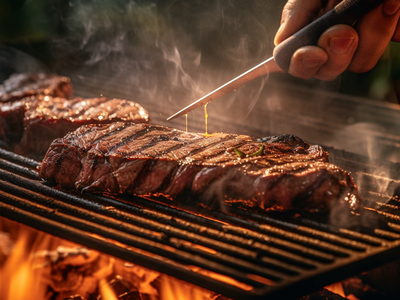 Understanding different grilling techniques is critical to achieving optimal results when cooking different types of foods on a grill. To get the most out of your grilling experience, remember three important things:
-
Temperature control: one of the most important factors when it comes to achieving perfect grill marks and juicy meat is temperature control. Whether you're using charcoal or gas, it's crucial to have an accurate thermometer that can read both the internal temperature of your food and the temperature inside the grill.
-
Meat Preparation: properly preparing your meat before grilling makes all the difference in terms of flavor and texture. For example, marinating your meat for at least an hour before cooking can add extra layers of flavor and make tougher cuts more tender.
-
Smoke flavor: Adding smoke to your grilled dishes can enhance their flavor by adding depth and complexity. Soak wood chips in water for 30 minutes, then place them directly on glowing coals or in a smoker box if you're using a gas grill.
When it comes to grilling - whether you prefer charcoal or gas - there are two types of heat you should know about: direct and indirect. Direct heat occurs when food is placed directly over flames or hot coals, while indirect heat means food is moved away from direct flames so it cooks more slowly with less risk of burning.
For those looking for a little more flavor, another great technique is creating the iconic grill stripes on your meat. To achieve this look, preheat your grill until it's very hot (about 260 °C), then place your meat diagonally across the grates for a minute before turning it 90 degrees and cooking for another minute.
By mastering these essential grilling techniques - from temperature control to smoke flavor infusion - you'll be well on your way to impressing friends and family with perfectly cooked meals!
Recipes
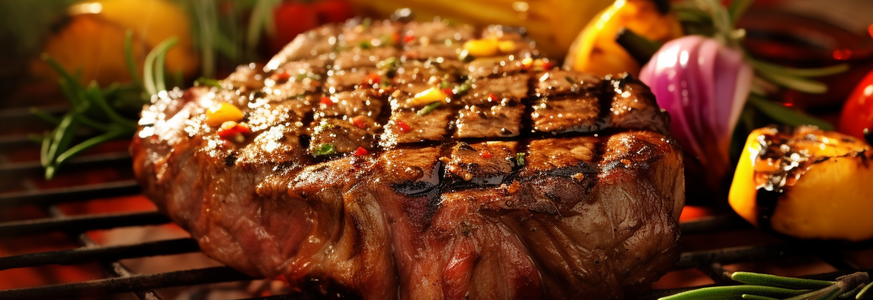 This section presents a collection of recipes that show the diverse range of dishes that can be prepared on a grill to suit different tastes and preferences. For vegetarians, grilled portobello burgers or vegetable kebabs with halloumi cheese are great choices. Seafood lovers will enjoy grilled shrimp or salmon fillets with lemon and herbs. Marinade ideas for meat lovers include honey mustard or teriyaki marinades.
Grilled dessert recipes are also gaining popularity, such as grilled pineapple with coconut whipped cream or grilled peaches drizzled with honey and served with vanilla ice cream. International barbecue allows you to experiment with flavors from around the world - try Korean barbecue beef ribs or Jamaican jerk chicken.
It's important to note that grilling can also be healthy, using low-fat protein sources like chicken breasts or fish fillets, choosing olive oil instead of butter, and selecting colorful vegetables as side dishes. Grilling for large groups may seem intimidating, but prep work can be done in advance to make the process smoother - marinate the meat overnight and pre-cut the vegetables before the day of the event.
Incorporating these diverse recipes into your repertoire will up your barbecue game and allow you to cater to different dietary needs and preferences. With a little creativity and experimentation, there's no limit to what can be achieved on a grill - whether it's vegetarian options, seafood dishes, international flavors, healthy options or sumptuous desserts!
Grill Maintenance
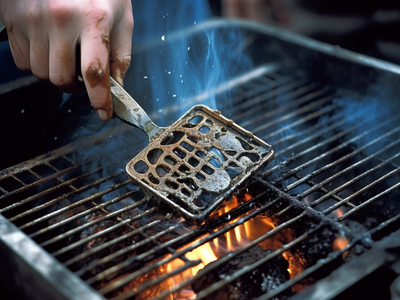 The grill maintenance section provides important information on how to properly care for a grill to ensure its longevity and optimal performance. Cleaning tips are crucial when it comes to maintaining the cleanliness of the grill. It is important to clean the grill after each use, preferably while the grates are still warm. This makes cleaning easier, as grease and food residue will not have hardened on the grate.
Preventing rust is also an important part of grill maintenance. To prevent rusting, it is recommended to cover the grill when not in use or during inclement weather. In addition, seasoning the grates before and after use can help prevent rust from forming by creating a protective layer on the metal surface.
Managing grease is another important aspect of grill maintenance. A buildup of grease can lead to flaming and overall poorer performance if not properly managed. It is recommended that grease traps be cleaned after each use and checked regularly for blockages or leaks.
Proper propane tank maintenance should also be considered during grill maintenance. Inspect propane tanks for signs of damage or leaks before each use and store tanks in a cool, dry location away from direct sunlight.
Finally, an inspection checklist can help ensure that all aspects of your grill are functioning properly before each use. This includes checking burners, igniters, hoses, and valves for signs of wear or damage that need attention before using your grill again. By regularly following these simple steps, you can extend the life of your grill and ensure optimal performance every time you light it!
Accessories
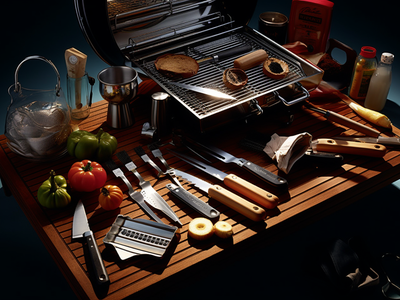 The accessories section provides additional information on enhancing the grilling experience through the use of various tools and equipment that can improve the efficiency and convenience of outdoor cooking. Grill baskets are a great accessory for grilling vegetables or small pieces of meat that might fall through the grates. Meat thermometers are also essential for making sure your food is cooked perfectly, as they allow you to monitor the internal temperature without having to cut it open.
Grill brushes are another essential accessory for maintaining the cleanliness of your grill and preventing flames caused by excess grease. Skewers are perfect for grilling kabobs or other foods that need to be rotated frequently, while smoker boxes can add a delicious smoky flavor to your meat. Grill mats provide a non-stick surface for delicate foods like fish or eggs, while rotisserie kits allow you to cook large cuts of meat evenly over an open flame.
By using these accessories, you can take your grilling game to the next level and impress your friends and family with perfectly cooked meals. Whether you're a seasoned pro or just a beginner, investing in quality accessories makes all the difference in achieving delicious results. So why not try out some new tools and see how they can enhance your outdoor cooking experience?
In the world of cooking, grilling is a popular technique that brings out unique flavors and textures in foods. This guide has explored the different types of grills, from charcoal to gas to electric options.
Also covered were different techniques for achieving perfectly grilled dishes, including direct and indirect heat. Recipes were also shared to help readers try new flavor combinations and improve their grilling skills.
Proper grill maintenance is essential to ensure longevity and safety. Therefore, this guide also covers tips for cleaning and storing the grill. Finally, accessories such as tongs, spatulas and thermometers can greatly enhance the grilling experience.
Overall, by following the advice in this ultimate guide to mastering the art of grilling, budding cooks can take their outdoor cooking game to impressive heights. With practice and experimentation with different recipes and techniques, anyone can become an accomplished grill master capable of impressing friends and family with perfectly grilled meals every time they fire up their grill.
So get ready to sharpen your skills and impress your guests at your next barbecue!
More articles that might interest you
/advert/ad-pFO-Die_perfekte_Grillwartung_-_So_bleibt_dein_Grill_wie_neu.jpg "The perfect grill maintenance - Keep your grill like new!")
/advert/cropped_2_ad_img_tHrxt.png "Charcoal grills")
/advert/ad-w1Y-grillvergleich-holzkohle-vs-gas.png "Charcoal vs gas grills")
/advert/ad-Upr-pelletgrill-ratgeber.png "The ultimate guide to pellet grills")
/advert/ad-b5Z-grillvergleich.png "Pellet vs. charcoal grill")
/advert/ad-Kk1-lotusgrill-original-vs-xl-vergleich.jpg "Lotusgrill Original vs. XL: A detailed comparison")
/advert/ad-8VS-Gas_vs._Elektro_Grill.png "Gas vs. electric grill")
/advert/cropped_2_ad_img_wTpVy.png "Electric grills")
/advert/ad-GeR-maenner-grillen.png "Why men love barbecue")
/advert/ad-aPK-grillfleischrezepte.png "The ultimate grilled meat recipes")
/advert/cropped_2_ad_img_zsmI0.png "Gas grills comparison")
/advert/ad-SpL-fortgeschrittene-grilltechniken.png "Advanced grilling techniques revealed")
/prod/7/9/0/imp_1_790050.jpg "Garcima Andreu enamelled paella set Ø 46 cm")
/prod/8/6/8/imp_1_868102.jpg "Outdoor Chef Ball Grill Minichef 420 G")
/prod/4/5/7/imp_1_457447.jpg "Mr.Grill Mr. Grill fire bowl with grill ring and accessories")
/prod/8/3/6/bimg_836095_144036.0800_Links_01.jpg "Redfire Wood Storage Bench Tyr 120 cm")
/prod/5/2/6/bimg_526946_img_f54bf933a8.jpg "Trisa Electric grill Grill Force 2200")
/prod/4/8/2/imp_2_482694.jpg "Ohmex OHM-TPK-2390 Grill-Plancha")
/prod/5/2/5/bimg_525484_1443980_20240327_16101.jpg "BBQ Dragon Bedano gas barbecue with extractor hood - 2 burners")
/prod/7/0/2/imp_1_702966.jpg "Campingaz Plancha Electric 1 (CH)")
/prod/7/7/9/bimg_779600_71uOguYJkNL.jpg "George Foreman Universal Grill Black")
/prod/4/8/1/bimg_481424_57882281_xxl3.jpg "Ohmex OHM-TPK-2370 Tabletop Teppanyaki Grill in Black")
/prod/5/3/4/imp_1_534827.jpg "Solis Deli Grill (type 7951)")
/prod/7/0/2/bimg_702969_71Za2UwnnGL.jpg "Campingaz Party Grill 400 CV")
/prod/5/4/5/imp_1_545786.jpg "Feuerdesign Vesuvio red")
/prod/7/0/2/imp_1_702975.jpg "Campingaz Attitude LX")
/prod/7/0/2/imp_1_702967.jpg "Campingaz Plancha Othello 2")
/prod/4/8/1/bimg_481188_1419268_20230727_141216.jpg "Nouvel Yakitori - Grill Black")
/cat/cat_2393_header.jpg)
/prod/8/6/3/bimg_863687_1513805_20260216_153152.jpg "Cozze 13 inch pizza oven CLASSIC ROTATE, BLACK EDITION, Gas 50mbar")
/prod/5/9/9/imp_1_599106.jpg "BBQ Dragon Classic pizza oven")