 2 Days ago
 Posted on Google
 3 Days ago
Posted on Google
3 Days ago
Posted on Google 3 Days ago
Posted on Google
3 Days ago
Posted on Google 3 Days ago
Posted on Google
3 Days ago
Posted on Google 3 Days ago
Posted on Google
3 Days ago
Posted on Google 3 Days ago
Posted on Google
3 Days ago
Posted on Google 4 Days ago
Posted on Google
4 Days ago
Posted on Google 4 Days ago
Posted on Google
4 Days ago
Posted on Google 4 Days ago
Posted on Google
4 Days ago
Posted on GoogleMaster the art of cooking
Successful cooking techniques and tips for delicious dishes
 19.05.2023
Cooking is an art that requires a mix of skills, knowledge and creativity. Just as an artist uses different strokes to create a masterpiece, a chef must use different techniques to prepare delicious meals. Cooking techniques are like tools for the chef; they allow the cook to transform raw ingredients into delicious meals.
Think of cooking like building a house - you need the right tools, materials, and know-how. Much like cooking, you need the right techniques to create culinary masterpieces.
From grilling and searing to roasting and braising, each technique has its unique way of transforming food into something delicious and satisfying. In this article, we will explore some of the most popular cooking techniques used by chefs around the world.
By understanding these methods, you can improve your home-cooked meals from ordinary to extraordinary!
Grilling
 Grilling, a common cooking method that uses direct heating of food to cook it quickly and impart smoky flavors, is a popular choice for outdoor cooking enthusiasts. To get the best results from grilling, it is essential to choose the right cuts of meat and prepare them appropriately. Some of the best cuts of meat for grilling include steaks such as ribeye, sirloin, filet mignon and flank steak; pork chops or pork loin; chicken breast or thigh; lamb chops or leg; and fish fillets.
Marinating meat before grilling can improve flavor and tenderness. A marinade usually consists of an acid (such as vinegar or citrus), oil, salt, herbs or spices, and sometimes sugar. Marinades not only add flavor, but also help to tenderize tougher cuts of meat. There are numerous marinade recipes online to suit different tastes and preferences.
Grilling can be done using different techniques such as direct heat grilling, indirect heat grilling or smoking. Direct heat grilling involves placing food directly over hot coals, while indirect heat grilling requires a two-zone fire where one half of the grill has hot coals while the other half has no coals underneath, creating an area for slow-cooked foods like roasts. Smoking involves cooking with wood chips that impart unique smoky flavors to the meat over several hours at low temperatures.
In summary, it takes time and practice to master grilling techniques, but the delicious results are worth the effort. By selecting high-quality cuts of meat, marinating them well in advance, and using appropriate methods based on individual preferences, such as direct vs. indirect heat or smoking, amateur cooks can upgrade their grilled dishes from good to great!
Searing
 In the realm of culinary methods, searing is a dynamic process that uses high heat and rapid movement to produce flavorful and tender dishes. This technique involves cooking foods in a small amount of oil or fat over high heat while constantly stirring or tossing them in the pan. Sauteing vegetables is a popular use of this method, as it allows for the preservation of their natural flavors and textures.
To achieve perfect roasted flavors when sautéing, there are several important factors to consider. First, make sure the pan is hot enough before adding the ingredients. A promising way to test this is to sprinkle a few drops of water on the surface. If they sizzle and evaporate immediately, the pan is ready. Second, use a suitable type of oil with a high smoke point, such as canola or vegetable oil, to avoid burning. Third, avoid overfilling the pan as this will cause moisture to accumulate and the food will be steamed rather than fried.
Sauteing can be used for different types of dishes such as meat, seafood and vegetables. It is an excellent way to cook ingredients quickly while preserving their natural flavors and nutrients. By following these tips for perfecting roasting when sautéing vegetables or other foods, you can create delicious meals that are both healthy and satisfying without sacrificing flavor or texture.
,no_upscale(),format(png)/prod/4/9/0/imp_1_490233.jpg "Patisse Cake tray professional ø 26 cm")
,no_upscale(),format(png)/prod/8/5/3/imp_1_853213.jpg "de Buyer For dough rolling machine")
,no_upscale(),format(png)/prod/1/0/0/bimg_100174_go_1550331.jpg "Patisse Mini cake pan Profi antih. 15cm pâtisse 02915")
,no_upscale(),format(png)/prod/5/1/3/bimg_513876_161066_L_100.webp "de Buyer Perforated cake ring with straight edge Ø24.5 H3.5 cm")
,no_upscale(),format(png)/prod/3/3/1/bimg_33103_296067535.jpg "OTT Cake pan Eifa 22-38cm 11850")
,no_upscale(),format(png)/prod/3/8/5/imp_1_38563.jpg "Dr. Oetker Cakesform Tradition extendable 20-35cm Dr. Oetker 1446")
Roasting
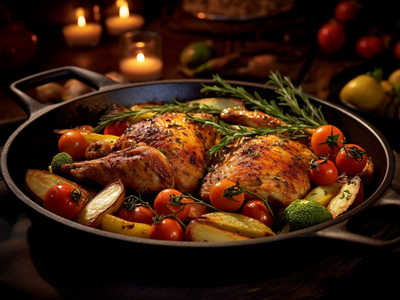 Roasting is a culinary method in which foods are cooked at high temperatures in the oven, resulting in a crispy exterior and tender interior. This technique is especially popular for preparing meats, vegetables and fruits. Roasting vegetables is a great way to bring out their natural sweetness and enhance their flavor. To get the best results when roasting vegetables, it is important to choose the right temperature and time depending on the type of vegetable. Denser vegetables like carrots or potatoes, in particular, require longer cooking times than lighter vegetables like zucchini or asparagus.
Another popular dish that can be prepared using this cooking technique is roast chicken. A perfect roast chicken is juicy on the inside and crispy on the outside. The key to achieving this balance is to properly season the chicken before roasting and to monitor its internal temperature throughout the cooking process to ensure it is cooked through, but not overcooked.
There are several tips and tricks to keep in mind when roasting food, such as using a grate for even heat distribution or drizzling flavorful liquids during the cooking process to add moisture and flavor. Overall, roasting remains one of the most versatile techniques used by chefs around the world because of its ability to showcase the different textures and flavors of various ingredients without overwhelming them with spices or excess oil.
Braising
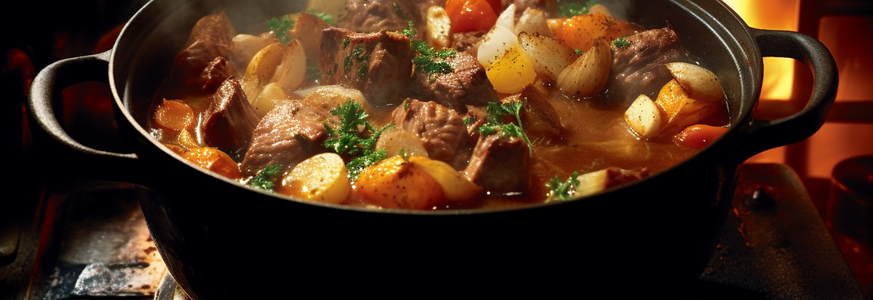 Braising is an effective culinary method in which food is slowly cooked in a covered pot or bowl of liquid. The result is tender and flavorful dishes that are perfect for the cold months. This slow cooking technique allows the meat to absorb the flavors of the liquid and become juicy and tender. Braising can be used for a variety of meats including beef, pork, lamb, chicken and fish. Here are some benefits of braising:
- It's a budget-friendly option: inexpensive cuts of meat become tender when braised.
- It's versatile: Braising can be done on the stove, in the oven, or even in a slow stove.
- It's ideal for food preparation: braised dishes often taste better when reheated because the flavors have come together.
To achieve perfectly braised dishes, it's important to use proper tenderizing techniques. First, sear your meat before adding it to the pot - this creates additional flavor. Second, acidic ingredients like wine or vinegar can help break down tougher cuts of meat. Finally, it's crucial to give the meat enough time to slow cook - tough meats need at least 2-3 hours, while smaller cuts may only need about 30 minutes.
Overall, braising is a wonderful way to bring out deep flavors in ingredients and create tender and comforting meals. By following these tips and experimenting with different ingredients and liquids (like broth or tomato-based sauces), you'll be able to master this slow cooking technique in no time!
Baking
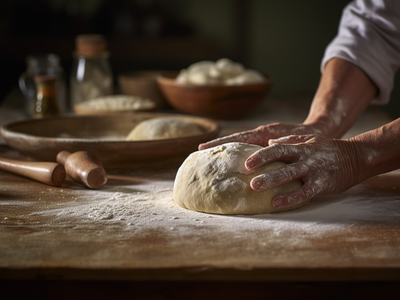 Baking is a popular culinary method that involves cooking food in an enclosed space like an oven or on a hot surface. One of the most sought-after outcomes of baking is achieving perfect pasta, which requires precise measurements and techniques. Bakers must have full control over temperature and timing to create the perfectly flaky crusts for pies, tarts and other baked goods.
Bread baking secrets are also an important aspect of baking. The process of fermenting dough allows yeast to create carbon dioxide bubbles that give bread its characteristic texture. However, this process requires patience and attention to detail. Home bakers must carefully monitor the fermentation time of their dough and bake it at the proper temperature to achieve the desired result.
Baking has evolved into an art form that requires not only a method, but also creativity and skillful execution. It offers endless opportunities for experimentation with new ingredients and flavors while adhering to traditional techniques. With proper training and practice, anyone can learn to master baking methods such as the perfect pastry or the secrets of baking bread.
Conclusion
In conclusion, cooking techniques play a crucial role in the culinary world. Grilling offers a unique flavor to meats and vegetables, while roasting provides a quick and efficient way to prepare ingredients. Roasting creates a crispy outer layer on meats and vegetables while maintaining moisture. Braising tenderizes tougher cuts of meat by slow cooking in liquid. Baking is a versatile technique used for sweet or savory dishes. However, the importance of these techniques goes beyond creating delicious meals. Cooking techniques also represent cultural traditions and personal preferences. Each technique requires different tools, temperatures, and methods that reflect diverse culinary practices around the world. By understanding these techniques, individuals can not only expand their cooking repertoire, but also gain an appreciation for the rich history behind them. In essence, learning cooking techniques is not just about mastering recipes, but embracing diversity and celebrating the art of food preparation across cultures and generations.
More articles that might interest you
,format(png)/advert/cropped_2_ad_img_6IGzd.png "Bake like a pro")
,format(png)/advert/ad-4D7-string.png "Masterful barbecue")
,format(png)/advert/ad-ftM-daempftechnik-enthuellt.png "Damping technology unveiled")
,format(png)/advert/cropped_2_ad_img_Rxi5p.png "Seasonal ingredients")
,format(png)/advert/ad-Xak-saisonale-koestliche-rezepte.png "Delicious seasonal recipes")
,format(png)/advert/ad-h9b-kunst-des-roestens-bild.png "The art of roasting")
,format(png)/advert/ad-POX-saisonale-kueche-kunst.png "Discover the art of seasonal cuisine")
,format(png)/advert/ad-2nx-bratkunst.png "The perfect art of frying")
,format(png)/advert/ad-oRF-leider-kann-ich-als-text-ki-keine-bilder-generieren-odern-zurueckgeben-ich-kann-jedoch-texte-generieren-und-fragen-beantworten-wenn-sie-hilfe-bei-anderen-fragen-oder-aufgaben-haben-stehe-ich-ihnen-gerne-zur-verfuegung.png "Meal Planning")
,no_upscale(),format(png)/prod/5/3/5/imp_1_535754.jpg "Decora Panettone molds low 5 pcs. 500 g ø 15.5x5 cm")
,no_upscale(),format(png)/prod/8/5/1/imp_1_851945.jpg "Excalibur Dehydrator sheet ParaFlexx 35.6x35.6 cm for 5-pack/9-pack")
,no_upscale(),format(png)/prod/5/8/2/imp_1_582094.jpg "Pâté terrine mold triangle 30x6x6 cm")
 33.00
33.00,no_upscale(),format(png)/prod/5/3/5/imp_1_535750.jpg "Patisse Panettone paper molds 5 pcs ø 13X9 cm")
,no_upscale(),format(png)/prod/5/9/8/bimg_598736_95349504.jpg "Emile Henry Bread tin red VV")
,no_upscale(),format(png)/prod/1/8/0/imp_2_7WMB_180584.jpg "de Buyer Pate shape punched with hinges 35x7cm H: 7.5cm")
,no_upscale(),format(png)/prod/5/8/3/bimg_583504_7143+IVICTL.jpg "Paper baking cups All You Need Is Cake 7x4x4 cm 10s")
,no_upscale(),format(png)/prod/5/3/5/imp_1_535842.jpg "Decora Cornet tips mini 8 pieces ø2.5x8 cm")
,no_upscale(),format(png)/prod/7/9/0/bimg_790958_81RoIXX52mL.jpg "Emile Henry Black bread baking pan 35.5 x 24.5 x 15.8 cm 6.5L")
,no_upscale(),format(png)/prod/7/9/4/imp_1_794463.jpg "Patisse Oblong proofing basket 41x15 cm")
,no_upscale(),format(png)/prod/8/2/8/bimg_828757_310198_L_100.webp "Scrap Cooking Topping Hazelnut Cream 165g")
,no_upscale(),format(png)/prod/7/9/4/imp_1_794441.jpg "Patisse Heart Springform Silver-Top 20 cm")
,no_upscale(),format(png)/prod/5/8/3/bimg_583505_71GwKEb6XqL.jpg "Sweet Love paper baking cups 7x4x4 cm 10s")
,no_upscale(),format(png)/prod/7/9/4/imp_1_794449.jpg "Patisse Springform with high edge Ceramic ø 18 cm")
,no_upscale(),format(png)/prod/6/0/2/imp_1_602279.jpg "Emile Henry Bread baking tin 32.5 cm, red")
,no_upscale(),format(png)/prod/5/1/3/imp_2_513874.jpg "de Buyer Perforated cake ring with straight edge Ø18.5 H3.5 cm")
,no_upscale(),format(png)/prod/5/8/2/imp_1_582097.jpg "Trapezoid pie terrine mold 30x6x6 cm")
,no_upscale(),format(png)/prod/4/6/3/bimg_463305_5324298_hauptbild.jpg "EVA Dough roller nonstick")