 2 Days ago
 Posted on Google
 2 Days ago
Posted on Google
2 Days ago
Posted on Google 2 Days ago
Posted on Google
2 Days ago
Posted on Google 2 Days ago
Posted on Google
2 Days ago
Posted on Google 3 Days ago
Posted on Google
3 Days ago
Posted on Google 3 Days ago
Posted on Google
3 Days ago
Posted on Google 3 Days ago
Posted on Google
3 Days ago
Posted on Google 3 Days ago
Posted on Google
3 Days ago
Posted on Google 3 Days ago
Posted on Google
3 Days ago
Posted on GoogleQLED vs. OLED
Which display technology is right for you?
 17.05.2023
Entertainment is an integral part of human life and provides a way to relax, unwind and escape from the stress of daily life. It includes various forms such as movies, music, video games, and television shows. With the increasing demand for high-quality entertainment experiences, technological advances have played an important role in enhancing the viewing experience.
One example is the development of display technology. The emergence of QLED and OLED has revolutionized the way we consume visual content. Both technologies offer superior picture quality with stunning colors and contrast ratios that enhance the overall entertainment experience.
In this article, we will explore the differences between QLED and OLED technologies, their respective advantages and disadvantages, and their application areas. We will also provide insights on how to make an informed decision when choosing between these two technologies for your entertainment needs.
Overview
The current section provides an overview of the comparison between QLED and OLED display technologies, highlighting their respective features, advantages, and disadvantages. According to market trends, the global OLED display market is expected to reach $58.4 billion by 2025. Both technologies use different approaches to produce images on a screen.
QLED technology uses quantum dots that emit light when stimulated by electricity from LED backlights. In contrast, OLED technology uses organic compounds that produce light without an external backlight source. The key advantage of QLED is its high brightness and color intensity, which makes it suitable for bright environments. However, it has limited viewing angles and higher power consumption than OLEDs.
OLED technology offers exceptional picture quality with deep blacks, excellent contrast ratio, fast response times and wide viewing angles. However, it is prone to image retention or burn-in problems with prolonged display of static content on the screen over time. Additionally, pricing remains a significant factor in consumer preferences, as OLED displays tend to be more expensive than QLEDs due to manufacturing costs. Future developments in both technologies promise exciting advances in terms of higher resolution displays and improved energy efficiency levels.
QLED vs. OLED
A comparison between QLED and OLED technologies reveals significant differences in their picture quality, including brightness, color accuracy, contrast ratio and viewing angle. According to a recent survey by The NPD Group, OLED displays have become increasingly popular with consumers due to their superior image reproduction capabilities. While QLED technology uses quantum dots to improve display color accuracy and brightness levels, it still relies on backlighting, which can lead to limited contrast ratios and narrower viewing angles.
OLED technology, on the other hand, uses self-illuminating organic pixels that produce perfect blacks and infinite contrast ratios. This feature makes OLED displays ideal for use in dark environments where every detail must be visible. Despite their advantages over QLEDs in terms of image quality, OLEDs are prone to image burn-in when static images are left on the screen for extended periods of time. Additionally, they may not be able to achieve the same level of brightness as QLEDs due to limitations in the manufacturing process.
When deciding which type of display technology is best for specific use scenarios, such as gaming or movie viewing, it is important to carefully consider the pros and cons of each technology. Gaming enthusiasts may prefer an OLED display due to its fast response time and smooth motion processing capabilities. However, they should also consider potential maintenance tips, such as avoiding prolonged exposure of static images on the screen or using pixel shifting features built into some newer models. Ultimately, the choice between QLED vs OLED comes down to individual preference based on personal needs and budget constraints, rather than objective measures of superiority over each other.
What is QLED?
 Researching the technology behind QLED displays provides a comprehensive understanding of their features and limitations, making it easier for consumers to make informed decisions when purchasing a new display. QLED stands for Quantum Dot Light Emitting Diode, a display technology that uses quantum dots to improve color accuracy and brightness. The quantum dots are tiny particles that emit light when exposed to electricity, producing more vivid colors and sharper images.
An important feature of QLED displays is their backlighting system, which uses LEDs to illuminate the pixels on the screen. This makes them brighter than other types of displays and allows them to maintain their color intensity even in brightly lit environments. In addition, QLED displays have a high resistance to burn-in effects caused by static images that are displayed for a long period of time.
However, there are also some limitations to QLED displays. They have limited viewing angles compared to OLEDs due to the use of reflective layers that can cause distortion when viewed from an angle. In addition, they usually have weaker contrast ratios compared to OLEDs because they cannot produce true blacks like self-illuminating OLED pixels. Finally, QLEDs tend to consume more energy than OLEDs due to their backlighting system.
- Vivid colors produced by quantum dots can enhance the viewing experience and create excitement.
- Burn-in resistance gives users peace of mind that their display will not be damaged over time.
- Limited viewing angles can frustrate some users who prefer wider angles for group viewing or multitasking.
- Weak contrast ratios affect overall picture quality and may lead consumers to choose a different display technology.
In summary, QLED displays offer many benefits such as improved color accuracy and brightness levels, as well as burn-in resistance. However, they also have limitations such as limited viewing angles and weaker contrast ratios compared to other technologies such as Organic LED (OLED) displays, which use self-illuminating pixels instead of backlighting. Ultimately, choosing the right display technology depends on the user's individual needs and preferences.
,no_upscale(),format(png)/prod/7/0/5/imp_2_705936.jpg "LG OLED65G57LW 4K OLED Wallmount type - 2025")
 3499.00
,no_upscale(),format(png)/prod/8/4/6/bimg_846783_81OyTAwIfPL.jpg "LG OLED65G57LW.AEU Wallmount type - 2025")
,no_upscale(),format(png)/prod/7/1/2/imp_1_712275_cp846786_cp846787.jpg "LG OLED65G59LS.AEU 4K OLED Stand type - 2025")
,no_upscale(),format(png)/prod/7/1/2/bimg_712276_387528579_xxl3.jpg "LG OLED65G59LS 4K OLED Stand type - 2025")
,no_upscale(),format(png)/prod/7/1/2/imp_1_712278.jpg "LG OLED77G57LW 4K OLED Wallmount type - 2025")
,no_upscale(),format(png)/prod/8/2/5/imp_1_825745.jpg "LG TV 27LX6TDGA 27, 2560 x 1440 (WQHD), LED-LCD")
Advantages of QLED
 Examining the benefits of QLED technology reveals its potential to improve color accuracy and brightness levels, while also offering resistance to burn-in effects from static images. High brightness is one of the main advantages of QLED displays, which can produce vivid and vibrant colors even in well-lit environments. This is due to the use of quantum dots, which can emit light at different wavelengths, allowing for a wider color spectrum than traditional LCD or LED panels.
Another advantage of QLED technology is its anti-burn-in technology, which prevents image retention due to long-term exposure of static elements such as logos or UI elements. This feature is especially important for users who want to enjoy their favorite games or movies without worrying about permanent image artifacts on their screens. In addition, many QLED displays offer gaming performance enhancements such as lower input lag and higher refresh rates, making them ideal for competitive gamers.
QLED displays also support HDR content with higher contrast ratios and brighter highlights than standard dynamic range (SDR) displays. This means users can experience more detail in both bright and dark areas of the screen, providing a more immersive viewing experience overall. In addition, QLED displays come in a variety of design options, from ultra-thin bezels to curved screens to suit different aesthetic preferences. Despite the fact that it is a premium display technology, there are many affordable price points on the market now for those who want high-quality visual experiences without breaking the bank account.
What is OLED?
 The next section will cover the technology behind OLED displays and their potential advantages and disadvantages. OLED stands for organic light-emitting diode, a type of display technology that uses organic compounds to emit light when an electric current flows through it. Unlike QLED, each pixel in an OLED display is self-illuminating, meaning it doesn't need a backlight to illuminate the screen.
-
One potential advantage of OLED technology is its outstanding contrast ratio and black levels. Because each pixel can be turned on or off independently, OLED displays are able to create true blacks by simply turning off pixels in dark areas of the screen. This creates a more immersive viewing experience with richer colors and better detail in dark scenes.
-
Another advantage of OLED displays is their wide viewing angles, which allow for consistent image quality even when viewed from different positions or angles. This makes them ideal for applications where multiple people are watching from different locations in the room.
-
However, a significant drawback of OLED technology is its susceptibility to burn-in, which occurs when static images are displayed on the screen for extended periods of time, resulting in permanent damage to individual pixels that can lead to image retention or ghosting over time. In addition, color accuracy can degrade over time due to organic material degradation under certain conditions such as exposure to sunlight or heat.
OLED Advantages
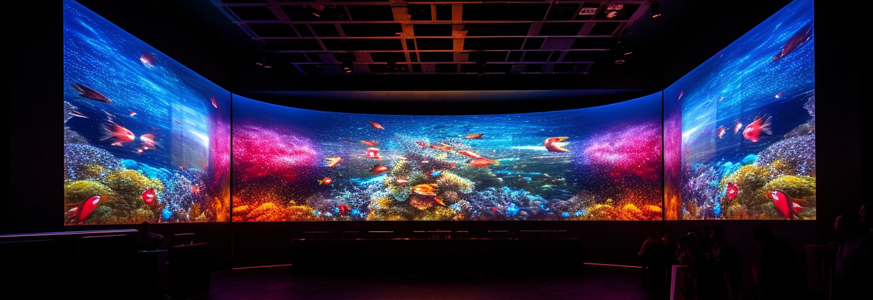 Focusing on the benefits of OLED technology, this section highlights how the independent illumination of each pixel creates true blacks and a more immersive viewing experience, while wide viewing angles ensure consistent image quality from different positions. OLED displays can achieve superior contrast ratios due to their ability to completely turn off individual pixels to achieve deep blacks and vivid colors. In addition, because each pixel is independently illuminated, there is no need for a backlight system as with QLED displays, resulting in improved energy efficiency.
In terms of color accuracy and image retention, OLED also has an advantage over QLED technology. Each pixel in an OLED display emits its own light, resulting in accurate color reproduction without additional color filters or backlights that can distort colors. In addition, due to advances in materials and design, OLED displays are less prone to burn-in than older technologies such as plasma screens.
While there are many advantages to using OLED technology over QLED displays, it's important to note that there are still some drawbacks. Response time can be slower for some models of OLED displays compared to QLEDs due to the way each pixel must be individually controlled. Life expectancy may also be shorter for some models of OLED TVs due to the organic materials used in their construction. However, these factors can vary greatly between different manufacturers and should be weighed carefully when making a purchase decision.
Overall, OLED technology offers several important advantages over traditional display technologies such as QLEDs. Although there are still some limitations and drawbacks to consider, OLED displays offer superior picture quality, energy efficiency, and color accuracy. As the technology continues to advance, it is likely that we will see even more advances in display technology that will further improve the viewing experience for consumers.
Similarities of QLED and OLED
 Both QLED and OLED technologies have similarities in terms of their ability to produce high-quality images with vivid colors. Both types of displays have excellent color accuracy, making them ideal for entertainment purposes such as watching movies or playing video games. In addition, both QLED and OLED screens can achieve high screen resolutions, which allows for clear and sharp image display.
Another similarity between these two technologies is their fast response time. This means that there are minimal delays between the input signal and the display output, resulting in a smoother viewing experience. Viewing angles are also similar between QLED and OLED displays, as both offer wide angles without significant loss of color accuracy or contrast.
Design aesthetics is another area where QLED and OLED share similarities. Both types of displays tend to be thin and sleek, with slim bezels that contribute to their overall appeal. Both are also compatible with HDR content, which enhances the viewing experience with more vivid colors and deeper blacks.
It's important to note that while there are similarities between QLED and OLED technology, they also have differences in areas like gaming performance and input lag. Ultimately, the choice between these two technologies comes down to individual needs and preferences when it comes to factors like energy efficiency or budget constraints.
Differences between QLED and OLED.
 QLED and OLED technologies differ in several aspects, from their energy efficiency to their brightness and color reproduction capabilities. One of the main differences between QLED and OLED is how they produce colors. While QLED relies on quantum dots to produce colors, OLED uses organic materials that emit light when an electric current flows through them. This fundamental difference results in different color accuracies, with OLED generally considered superior due to its ability to produce more precise and nuanced colors.
Another important aspect in which QLED and OLED differ is the so-called "burn-in" of the screen. Burn-in occurs when a static image is displayed for extended periods of time, causing permanent damage to the display panel. Although both technologies are susceptible to burn-in, it occurs more frequently with OLED displays due to the organic materials used. However, modern OLED displays have features like pixel shifting that help mitigate this problem.
Another difference between QLED and OLED displays is the contrast ratio. Since each pixel on an OLED display emits its own light, contrast ratios can be extremely high compared to traditional LED/LCD panels. In contrast, QLED displays rely on backlighting, which can limit the contrast ratio depending on the quality of the backlighting system used. In addition, viewing angles for an OLED display tend to be wider than for a QLED display due to differences in the way light is emitted across the panel.
When it comes to price differences between QLED and OLED displays, there is usually a significant difference between comparable models. As a rule of thumb, QLED displays tend to be less expensive compared to their same-sized counterparts because the manufacturing costs for these types of panels are lower than those that contain organic compounds like an OLED display. However, as the technology improves and large-scale production continues, prices will continue to drop, making both options more accessible to consumers looking for high-end entertainment experiences without breaking the bank.
QLED TVs
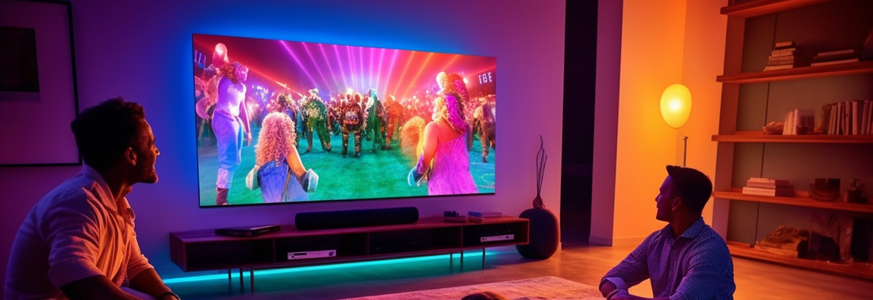 Now that we've discussed the differences between QLED and OLED technologies, let's dive deeper into QLED TVs. These TVs use Quantum Dot technology to produce high-quality images with excellent color accuracy and brightness levels. This is achieved by using a layer of Quantum Dots in combination with LED backlighting.
A significant advantage of QLED TVs is their HDR compatibility, which offers viewers an expanded dynamic range and more realistic colors. In addition, they are great for gaming as they offer low input lag and fast response times. Consumers can choose from a variety of screen sizes to suit their entertainment needs.
Design aesthetics also play a crucial role in the selection process of many buyers when purchasing a TV. With sleek designs and thin bezels, QLED TVs are aesthetically pleasing and fit seamlessly into most modern living spaces. In addition, sound quality has improved significantly thanks to advances like built-in speakers that use AI algorithms to optimize audio output.
Smart TV features are another attractive aspect of QLEDs; they offer one-touch access to streaming services like Netflix or Hulu via voice control or remote control apps on mobile devices. Energy efficiency is also an important factor when choosing electronics for your home. Fortunately, many QLED models offer energy-efficient modes that reduce power consumption without compromising picture quality.
In summary, consumers looking for high-performance TVs will appreciate the impressive capabilities of QLED TVs. They offer HDR compatibility, exceptional gaming performance, design aesthetics that fit seamlessly into modern homes, while providing excellent sound quality and smart TV features to fit the needs of any household - all while using energy efficiently!
OLED TVs
 The next section will dive deeper into OLED TVs and explore their unique features and capabilities. OLED technology stands for organic light-emitting diodes, which use thin layers of organic materials that emit light when an electric current is applied to them. These materials are placed between two electrodes, and when the current flows through them, they emit light. Unlike QLED TVs, OLEDs do not require backlighting because each pixel produces its own light. This allows for true blacks and better contrast ratios.
One of the most significant advantages of OLED technology is its display quality. With self-illuminating pixels that can be turned off completely, OLED displays offer perfect black levels and vivid colors with excellent color accuracy. In addition, these TVs have a wide viewing angle that allows users to enjoy content from any position in the room without distortion or color shifts. In addition, motion processing on OLED displays is smooth and natural looking due to their fast response times.
However, as with any technology, there are some drawbacks to consider when deciding to purchase an OLED TV. Screen burn can occur when static images are repeatedly displayed for long periods of time. It occurs when areas of the screen age at different rates than others, as these regions would receive more use over time than other parts of the screen. In addition, while OLED power consumption is in the acceptable range compared to older technologies such as plasma displays, it still falls short of QLED's lower power consumption rates due to more energy-intensive processes during manufacturing and operation.
In summary, the evolution of entertainment has led to significant advances in display technology, with QLED and OLED being two popular options today. Both technologies have their unique advantages and disadvantages, so it's important to understand the differences between them before making a decision.
QLED offers better brightness and color accuracy, while OLED offers higher contrast and deeper blacks. Ultimately, the choice between QLED and OLED depends on individual preferences and usage requirements.
It's critical to make an informed decision when choosing between these technologies to ensure maximum enjoyment of movies, games, or other forms of entertainment. With the information provided in this article, readers can now weigh the similarities and differences of QLED vs. OLED TVs based on their specific needs.
Whether it's for an immersive gaming experience or watching movies, or simply upgrading their TV, understanding the intricacies of these technologies will help make an informed decision that meets individual needs without compromising quality or performance.
,format(png)/advert/cropped_2_ad_img_W4AIv.png "How to choose the right TV")
,no_upscale(),format(png)/prod/7/1/1/imp_2_711227.jpg "LG OLED55C57LA 4K OLED - 2025")
,no_upscale(),format(png)/prod/7/8/6/imp_2_786217.jpg "LG OLED77C57LA 4K OLED - 2025")
,no_upscale(),format(png)/prod/7/1/2/imp_1_712275_cp846786.jpg "LG OLED55G59LS.AEU 4K OLED Stand type - 2025")
,no_upscale(),format(png)/prod/7/1/2/imp_2_712277.jpg "LG OLED55G57LW 4K OLED Wallmount type - 2025")
,no_upscale(),format(png)/prod/9/0/1/imp_1_901019.jpg "Philips 32PQS6951/12")
,no_upscale(),format(png)/prod/8/5/7/imp_1_857030.jpg "Hisense TV 100U7QTUK 100, 3840 x 2160 (Ultra HD 4K), LED-LCD")
,no_upscale(),format(png)/prod/5/2/7/imp_1_527638.jpg "Samsung QE77S95D 4K OLED - 2024")
,format(png)/advert/ad-0j8-samsung-helvetic-6-jahre-garantie.png "Purchase tip from Samsung QE77S95D 4K OLED - 2024")
,no_upscale(),format(png)/prod/8/3/8/imp_1_838056.jpg "Samsung TV QE55QN88DBTXXN 55, 3840 x 2160 (Ultra HD 4K), Neo QLED")
,no_upscale(),format(png)/prod/8/4/6/bimg_846784_81aG+qZyvJL.jpg "LG OLED77G57LW.AEU Wallmount type - 2025")
,no_upscale(),format(png)/prod/8/3/3/imp_1_833083.jpg "Sony TV BRAVIA 8A K-65XR8A 65, 3840 x 2160 (Ultra HD 4K), OLED")
,no_upscale(),format(png)/prod/7/1/1/bimg_711225_bimg_711225_2701743522177.jpg "LG OLED42C57LA 4K OLED - 2025")
,no_upscale(),format(png)/prod/7/2/0/imp_1_720181.jpg "Samsung QE65S95F OLED - 2025")
,no_upscale(),format(png)/prod/7/1/2/bimg_712283_7601743688074.jpg "LG OLED65C59LB 4K OLED - 2025")
,no_upscale(),format(png)/prod/7/2/0/imp_1_720229.jpg "Samsung QE85LS03F The Frame Pro - 2025")
,no_upscale(),format(png)/prod/5/6/1/bimg_561687_go_5837842.jpg "Hisense 65A6N 65 inch 4K UHD")
,no_upscale(),format(png)/prod/7/1/1/imp_2_711228.jpg "LG OLED65C57LA 4K OLED - 2025")
,no_upscale(),format(png)/prod/7/1/6/imp_3_716513.jpg "Hisense TV 65E77Q 65 inches, QLED 4K, 60Hz")
,no_upscale(),format(png)/prod/7/2/1/imp_1_721221.jpg "Hisense TV 65U7Q 65 inches, Mini-LED 4K, 144Hz, 900 Nits")