 2 Days ago
 Posted on Google
 2 Days ago
Posted on Google
2 Days ago
Posted on Google 2 Days ago
Posted on Google
2 Days ago
Posted on Google 2 Days ago
Posted on Google
2 Days ago
Posted on Google 3 Days ago
Posted on Google
3 Days ago
Posted on Google 3 Days ago
Posted on Google
3 Days ago
Posted on Google 3 Days ago
Posted on Google
3 Days ago
Posted on Google 3 Days ago
Posted on Google
3 Days ago
Posted on Google 3 Days ago
Posted on Google
3 Days ago
Posted on GoogleWinter ingredients
Delicious ideas for the cold season
 16.05.2023
Winter is like a blank canvas waiting to be inspired. As the days get shorter and the air gets colder, it's easy to feel uninspired in the kitchen. But with the right ingredients, winter meals can be just as satisfying and delicious as those in any other season.
Root vegetables, squash, citrus, winter greens, spices and herbs are all essential ingredients that can bring warmth and flavor to winter dishes. Not only do they taste good, but they also provide a variety of health benefits.
In this article, we'll explore these winter ingredients in detail and offer tips on how to incorporate them into your meals so you can enjoy comforting and nutritious dishes during the season.
Root Vegetables: Hearty and nutritious
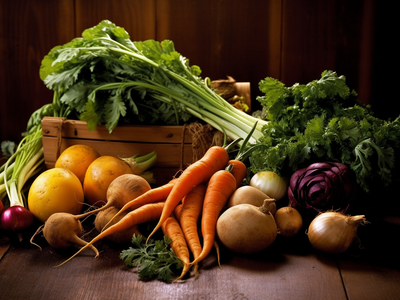 The root vegetables featured in this section provide a significant source of nutrients and are known for their bold and earthy flavors. When cooking with these winter classics, it's important to consider roasting techniques that can help bring out the vegetables' natural sweetness and create a crispy exterior. For optimal roasting results, cut the vegetables evenly and toss them in oil before placing them on a baking sheet over high heat for 30-40 minutes.
In addition to their healthy and flavorful properties, root vegetables are also great seasonal combinations with other winter ingredients such as apples, pears and squash. For example, roasted beets can be served with goat cheese and walnuts as a delicious salad or turned into a vibrant beet hummus dip. Carrots can be incorporated into hearty stews or roasted with parsnips as a colorful side dish.
When cooking with root vegetables during the winter season, it is essential to select fresh vegetables that are firm and free of blemishes. With proper preparation and creative combination ideas, these nutrient-rich vegetables are sure to become an essential part of any winter menu.
Pumpkin: versatile and rich in vitamins.
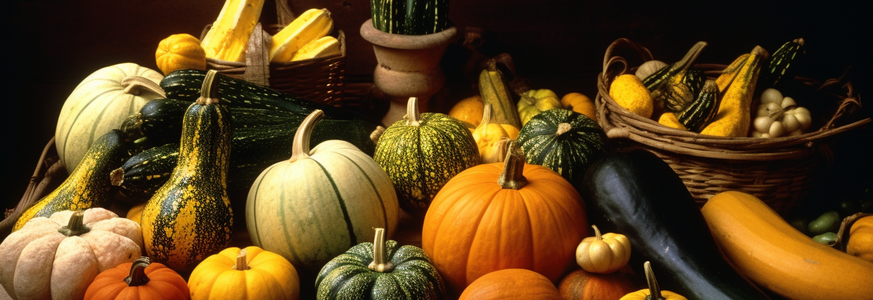 Pumpkin, an extremely nutritious and adaptable vegetable, contains a variety of vitamins that make it a valuable addition to any culinary repertoire. This winter ingredient comes in many varieties, including butternut squash, acorn squash, spaghetti squash and pumpkin. Each type offers its own unique flavor profile and texture, making it versatile for a variety of recipes. Squash is also a good source of fiber and low in calories.
Preparation techniques for squash can vary depending on the variety used. Butternut squash is often roasted or baked before being pureed into soups or mashed as a side dish. Acorn squash can be cut into rings or wedges and roasted with olive oil and spices for a delicious side dish. Spaghetti squash can be cooked whole in the oven or microwave before being scraped into strands that resemble spaghetti noodles.
Overall, incorporating different types of winter squash into your diet can provide numerous health benefits and add variety to your meals. Experiment with different preparation techniques to find what works best for each type of squash. Whether it's stuffed with savory ingredients or blended into a creamy soup, there are endless possibilities when it comes to cooking with this nutrient-rich vegetable.
,no_upscale(),format(png)/prod/9/0/2/bimg_90254_go_9425117.jpg "Revol Snail pan 6 holes, cast iron look")
,no_upscale(),format(png)/prod/3/1/4/bimg_314509_183705_L_100.webp "Revol Catalan casserole dish, 16 cl, Ø 14 cm, H: 2.5 cm, white")
,no_upscale(),format(png)/prod/2/6/3/imp_1_263813.jpg "Magma roasting pot oval Ø15.5x10cm incl. Serving board")
,no_upscale(),format(png)/prod/3/1/2/imp_1_xp7j_312726.jpg "Zwilling Vacuum gratin pan, glass, 29.2x20x9.7 cm - 2.2L")
,no_upscale(),format(png)/prod/9/0/2/bimg_90243_go_4708562.jpg "Revol Casserole Rectangular, 26 cm, cast iron look")
,no_upscale(),format(png)/prod/9/0/2/bimg_90246_im_3924951.jpg "Revol Casserole Rectangular, 30 cm, cast iron look")
Citrus: brightening up winter dishes.
 Citrus fruits, known for their vibrant colors and refreshing flavors, bring sunshine to any dish during the cooler months. These fruits are naturally juicy, making them perfect ingredients for sweet and savory recipes. They also have a high nutrient density and are rich in vitamins C and A, folate, potassium and fiber.
Incorporating citrus fruits into winter dishes is not only delicious, but also beneficial to our health. Vitamin C, found in citrus fruits, helps boost our immune system and protect us from colds and flu during the winter season. It also acts as an antioxidant that can help prevent chronic diseases like heart disease and cancer.
There are many ways to incorporate these brightening ingredients into your winter dishes. From salads to desserts, citrus can be used in a variety of ways. For example, grapefruit segments can add a sour sweetness to a beet salad, while lemon zest can brighten grilled vegetables. For dessert lovers, orange slices or lemon curd make excellent toppings for cakes or pies. With their numerous health benefits and cooking versatility, citrus fruits are popular with chefs around the world.
Winter vegetables: Nutritious and delicious
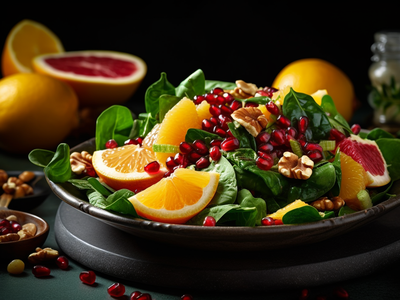 Leafy greens are a versatile and nutrient-rich addition to winter dishes, providing a variety of vitamins and minerals that can benefit our health. These leafy greens come in many varieties, including kale, collard greens, Swiss chard, spinach and arugula. The bold flavor profiles of these vegetables make them suitable for a variety of cooking methods, such as roasting or braising.
Winter vegetables pair well with bold flavors like garlic and onions. Roasted kale with garlic is a classic combination that brings out the earthy flavor of the leafy greens and adds depth to the dish. Collard greens can be slow braised in broth until tender, then seasoned with smoked paprika or chili flakes to add extra heat. Spinach pairs well with acidic ingredients like lemon juice or vinegar, which help reduce its natural bitterness.
Incorporating winter vegetables into your diet not only adds nutrition, but also variety to your meals. Try incorporating these nutrient-rich vegetables into soups, stews or stir-fries for an extra boost of vitamins A and C, as well as iron and calcium. Experimenting with different preparation methods and combination suggestions can take your winter meal from ordinary to extraordinary while promoting good health.
Spices and herbs: adding warmth and flavor to winter meals.
 Using a variety of spices and herbs can enhance the flavor and warmth of winter dishes while providing potential health benefits. Combining spices such as cinnamon, nutmeg and cloves with winter ingredients such as apples, pears and pumpkin can add a comforting spiciness to dishes. Ginger and turmeric are known for their anti-inflammatory properties, which can help with joint pain associated with cold weather.
Preparation techniques also play a role in enhancing winter flavors. Roasting root vegetables such as carrots and parsnips brings out their natural sweetness and gives them a caramelized flavor. Adding warming spices like cumin or coriander to soups or stews can add depth without making the dish too spicy. In addition, slow cooking meats with herbs such as rosemary or thyme adds flavor and makes tough cuts more tender.
Using herbs for added depth is another way to enhance winter dishes. Sage adds an earthy flavor to a roasted chicken or pork dish. Basil brings freshness to tomato-based dishes like spaghetti sauce or pizza toppings. Oregano is a staple herb in Greek cooking and can be used in soups, stews or on roasted vegetables for a Mediterranean touch on traditional winter dishes. By experimenting with different combinations of spices and herbs, amateur cooks can create satisfying meals that warm the body and soul during the coldest months of the year.
Conclusion
Winter ingredients offer a diverse range of options to prepare delicious and nutritious meals. Root vegetables like carrots, parsnips and sweet potatoes are packed with vitamins and minerals. They can be roasted, pressed or added to stews to create a hearty meal that will keep you warm during the winter months.
Squash is another versatile ingredient that adds depth to any dish while providing essential nutrients like vitamin A. In contrast to the earthy flavors of root vegetables and squash, citrus fruits offer a vibrant burst of flavor to winter dishes. Oranges, lemons and grapefruits not only taste great, but are also rich in vitamin C, which boosts immunity during the cold and flu season.
Winter greens like kale and spinach are also an excellent source of vitamins A and K and add texture to salads or soups. Finally, spices and herbs such as cinnamon, nutmeg, thyme and rosemary add warmth and complexity to winter dishes. Whether it's a spicy stew or a sweet dessert, these aromatic ingredients take any recipe from ordinary to extraordinary.
In summary, by incorporating these winter ingredients into your meals, you can enjoy delicious and satisfying dishes that are good for you at the same time.
More articles that might interest you
,format(png)/advert/cropped_2_ad_img_JssnF.png "Spring ingredients")
,format(png)/advert/cropped_2_ad_img_Rxi5p.png "Seasonal ingredients")
,format(png)/advert/ad-3nm-sommer-zutaten.png "Summer ingredients")
,format(png)/advert/ad-rhT-herbstzutaten.png "Autumn ingredients")
,no_upscale(),format(png)/prod/9/0/1/bimg_90108_go_9623822.jpg "Revol Casserole Rectangle 19x13 cm, white")
,no_upscale(),format(png)/prod/5/7/1/imp_1_571906.jpg "Burgundy square gratin dish 15 cm")
,no_upscale(),format(png)/prod/7/5/9/imp_1_759401.jpg "Le Creuset Casserole Dish Tradition 19x14 cm - Cerise")
,no_upscale(),format(png)/prod/5/8/2/imp_1_582221.jpg "Burgundy oval oven dish 30 cm")
,no_upscale(),format(png)/prod/5/8/2/bimg_582223_61QJTOdqxvL.jpg "Burgundy rectangular casserole dish 20 cm")
,no_upscale(),format(png)/prod/9/0/0/bimg_90096_go_4923712.jpg "Revol Casserole Rectangular, 34 cm, white")
,no_upscale(),format(png)/prod/2/7/5/imp_1_muJr_275073.jpg "Staub Ceramic baking dish, dark blue 2.4l / 27x20 cm")
,no_upscale(),format(png)/prod/8/7/8/bimg_87891_go_8677446.jpg "Staub Pot around Vitamin Grenadine 3.8 lt. 24cm")
,no_upscale(),format(png)/prod/9/0/2/bimg_90244_go_3908583.jpg "Revol Casserole Rectangular, 16 cm, cast iron look")
,no_upscale(),format(png)/prod/8/7/8/bimg_87878_57196475_1208403621.jpeg "Staub Pot round black 2.2 lt. 20cm")
,no_upscale(),format(png)/prod/9/0/2/bimg_90272_go_5608773.jpg "Revol Casserole dish square, 13 cm, cast iron look")
,no_upscale(),format(png)/prod/8/7/8/bimg_87875_go_9077014.jpg "Staub Pot round black 1.7 lt. 18cm")
,no_upscale(),format(png)/prod/8/7/8/bimg_87896_img_d806a23786.jpg "Staub Pot round black 5.2 lt. 26cm")
,no_upscale(),format(png)/prod/8/7/9/bimg_87917_66674588_8812916927.jpeg "Staub Pot oval black 6.7 lt. 33cm")
,no_upscale(),format(png)/prod/8/7/9/bimg_87902_go_8077679.jpg "Staub Pot oval black 3.2 lt. 27cm")
 229.00
,no_upscale(),format(png)/prod/8/7/9/bimg_87910_go_4477874.jpg "Staub Topf oval Vitamin Grenadine 4.3 lt. 29cm")
,no_upscale(),format(png)/prod/1/3/0/vet_f_1302306_6459.jpg "Staub Casserole Oval Cherry red 1 lt., 24cm")
,no_upscale(),format(png)/prod/1/0/8/bimg_108987_go_5622063.jpg "Staub Hähnchenbräter schwarz vertikal 24cm")