 2 Days ago
 Posted on Google
 2 Days ago
Posted on Google
2 Days ago
Posted on Google 2 Days ago
Posted on Google
2 Days ago
Posted on Google 2 Days ago
Posted on Google
2 Days ago
Posted on Google 3 Days ago
Posted on Google
3 Days ago
Posted on Google 3 Days ago
Posted on Google
3 Days ago
Posted on Google 3 Days ago
Posted on Google
3 Days ago
Posted on Google 3 Days ago
Posted on Google
3 Days ago
Posted on Google 3 Days ago
Posted on Google
3 Days ago
Posted on GoogleAutumn ingredients
Culinary highlights with autumn ingredients
 16.05.2023
As the famous saying goes, "you are what you eat." With fall comes new ingredients that can nourish our bodies and souls. From hearty vegetables to sweet fruits to iconic flavors, fall is the time to cook with ingredients that reflect the changing colors and cooler temperatures of this season.
Fall ingredients offer versatility, nutrients and flavor. They offer home cooks the opportunity to try new recipes or rediscover old favorites. Whether it's pumpkin pie or roasted Brussels sprouts, these ingredients can help create comforting meals for cold days.
In this article, we'll explore some of the most popular fall ingredients and their use in a variety of dishes to bring warmth and comfort to any table.
Pumpkin: a versatile and iconic ingredient of autumn.
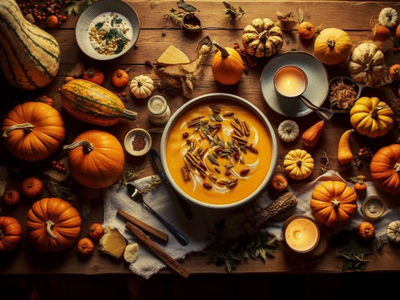 Pumpkin has become a ubiquitous and versatile ingredient in culinary contexts during the fall season. It is used in a variety of recipes, from pies and soups to lattes and muffins. However, pumpkin spice, the quintessential fall flavor that often accompanies this versatile ingredient, is often controversial. Some people consider it overrated, while others believe it is an essential element of fall cooking.
Despite the controversies surrounding pumpkin spice, there is no denying that pumpkins themselves are a symbol of fall festivities. Pumpkin carving is a fun fall activity enjoyed by many families around Halloween. However, it can also be a messy task if you don't have proper tools or experience using sharp objects.
Aside from their aesthetic appeal and usefulness in culinary contexts, pumpkins are also rich in nutrients such as vitamin A and potassium. This makes them not only a seasonal treat, but also a healthy addition to your diet. Whether you prefer your squash spiced or simply roasted with some olive oil and herbs, there's no denying that this iconic fall ingredient has something for everyone.
Apples and pears: sweet and sour fruits for fall.
The sweet and sour flavors of apples and pears make them popular choices for fall dishes. Not only are these fruits delicious, but they also offer numerous health benefits. Here are some interesting facts about apples and pears:
- Apples and pears are both high in fiber, which is essential for digestive health.
- Both fruits contain high levels of antioxidants that boost the immune system.
- Studies have shown that regular consumption of apples and pears can reduce the risk of heart disease.
With their unique flavor profiles, apples and pears can be used in a variety of recipes during the fall season. From pies to salads, there is no shortage of ways to incorporate these fruits into your meals. Some popular apple and pear recipes include:
- Apple Pie: A classic fall dessert that combines the sweetness of apples with warm spices like cinnamon and nutmeg.
- Pear Salad: A refreshing salad that combines ripe pears with tangy goat cheese, toasted walnuts and a simple vinaigrette dressing.
- Baked Apples: Perfect for a cozy evening at home, this dessert consists of baked apples stuffed with oatmeal, brown sugar and cinnamon.
In addition to being delicious additions to our diet during the fall months, apples and pears can provide a variety of health benefits. Not only do they keep us fuller longer due to their high fiber content, but they also offer a variety of nutrients that are beneficial for overall wellness.
,no_upscale(),format(png)/prod/9/0/2/bimg_90254_go_9425117.jpg "Revol Snail pan 6 holes, cast iron look")
,no_upscale(),format(png)/prod/3/1/4/bimg_314509_183705_L_100.webp "Revol Catalan casserole dish, 16 cl, Ø 14 cm, H: 2.5 cm, white")
,no_upscale(),format(png)/prod/2/6/3/imp_1_263813.jpg "Magma roasting pot oval Ø15.5x10cm incl. Serving board")
,no_upscale(),format(png)/prod/3/1/2/imp_1_xp7j_312726.jpg "Zwilling Vacuum gratin pan, glass, 29.2x20x9.7 cm - 2.2L")
,no_upscale(),format(png)/prod/9/0/2/bimg_90243_go_4708562.jpg "Revol Casserole Rectangular, 26 cm, cast iron look")
,no_upscale(),format(png)/prod/9/0/2/bimg_90246_im_3924951.jpg "Revol Casserole Rectangular, 30 cm, cast iron look")
Sweet potatoes: a hearty and nutritious fall staple.
Sweet potatoes are a versatile and nutrient-dense option for those looking for a hearty addition to their fall menus. Not only do they add depth and flavor to dishes, but they also offer many health benefits. Sweet potatoes contain high amounts of fiber, which aids digestion and makes you feel full. They are also rich in beta-carotene, an antioxidant that is converted to vitamin A in the body and supports eye health.
Incorporating sweet potatoes into your fall meals is easy with countless recipe ideas available online or in cookbooks. One popular dish is sweet potato casserole, which combines mashed sweet potatoes with brown sugar, butter and spices to make a decadent side salad before baking. Another option is roasted sweet potato wedges seasoned with herbs like rosemary or thyme. For a healthier take on traditional fries, try baked sweet potato fries instead.
When it comes to health benefits, sweet potatoes offer more than just vitamins and minerals. They have anti-inflammatory properties that can reduce inflammation in the body. In addition, research has shown that eating sweet potatoes can help regulate blood sugar levels by improving insulin sensitivity. Overall, incorporating this nutritious ingredient into your fall meals not only offers depth of flavor, but can also provide numerous health benefits for you and your family without sacrificing taste or satisfaction.
Brussels sprouts: a delicious and nutritious fall vegetable.
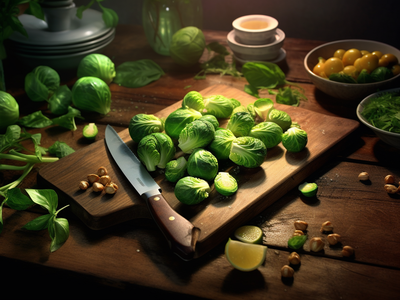 With their earthy flavor and compact texture reminiscent of miniature cabbages, Brussels sprouts are a delicious and nutritious addition to any seasonal menu. These cruciferous vegetables are abundant in the fall and can be prepared in a variety of ways. While boiling Brussels sprouts in water is a popular preparation method, roasting brings out their natural sweetness and caramelizes the outer leaves for added texture. Roasting also allows for creative seasoning options such as garlic, lemon zest or Parmesan cheese.
Pairing Brussels sprouts with complementary flavors enhances their flavor profile. A classic combination is bacon - the smoky flavor of bacon complements the nutty flavor of Brussels sprouts. For a vegetarian option, toasted pine nuts or almonds add crunch to this tender vegetable. Another delicious combination is balsamic vinegar - its tangy sweetness balances the bitterness of Brussels sprouts.
Incorporating this nutritious vegetable into your meals not only adds flavor, but also offers numerous health benefits. Brussels sprouts contain high amounts of vitamin K, which plays an essential role in blood clotting and bone health. They are also rich in vitamin C, which boosts our immune system and fights free radicals that cause damage to our cells. Including Brussels sprouts in your diet during the fall season not only satisfies your taste buds, but also nourishes your body with essential vitamins and minerals without sacrificing taste.
Tips and tricks for cooking with fall ingredients.
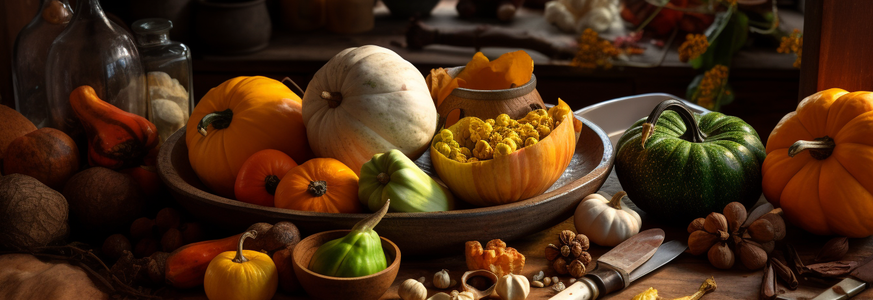 This section offers valuable insights on how to cook with seasonal vegetables and provides practical tips and tricks that can improve your culinary skills. One of the most important aspects of cooking with fall ingredients is understanding flavor combinations. Fall vegetables like squash, sweet potatoes and pumpkins are naturally sweet, making them great pairings for savory herbs like sage and thyme. Likewise, sour fruits like cranberries and apples can be balanced by cinnamon or nutmeg.
In addition to flavor combinations, it's also important to understand the appropriate preparation methods for fall vegetables. Root vegetables such as carrots and parsnips should be roasted or fried over high heat to bring out their natural sweetness and caramelization. Squash and pumpkins are best for roasting or pureeing in soups or stews, while cruciferous vegetables like Brussels sprouts and cauliflower benefit from being roasted or pan-fried until crisp.
By following these tips and tricks for cooking with fall ingredients, you can create delicious dishes that highlight the unique flavors of the season. Experimenting with different flavor combinations and preparation methods can help you discover new ways to enjoy familiar ingredients while expanding your culinary knowledge. Whether you're preparing a casual dinner at home or impressing guests with a sophisticated fall-inspired meal, using seasonal vegetables is an excellent way to add depth and complexity to your dishes without sacrificing flavor or nutrition.
Conclusion
In summary, fall ingredients offer a diverse array of flavors and nutrients that can be incorporated into a variety of dishes. Pumpkin is a versatile ingredient that can be used in sweet and savory recipes. Apples and pears are delicious fruits that add sweetness and tartness to any dish. Sweet potatoes are hearty and nutritious, making them a staple in fall dishes. Brussels sprouts offer a delicious and healthy option for vegetable side dishes. When cooking with fall ingredients, it's important to experiment with different spices and herbs to enhance their natural flavors. Incorporating these seasonal ingredients into meals not only offers unique flavors, but also provides important nutrients for health. By exploring the possibilities of fall ingredients, individuals can prepare delicious meals while enjoying the treasures of the season.
More articles that might interest you
,format(png)/advert/ad-3nm-sommer-zutaten.png "Summer ingredients")
,format(png)/advert/cropped_2_ad_img_JssnF.png "Spring ingredients")
,format(png)/advert/ad-DB4-wintergemuese.png "Winter ingredients")
,format(png)/advert/cropped_2_ad_img_Rxi5p.png "Seasonal ingredients")
,no_upscale(),format(png)/prod/9/0/1/bimg_90108_go_9623822.jpg "Revol Casserole Rectangle 19x13 cm, white")
,no_upscale(),format(png)/prod/5/7/1/imp_1_571906.jpg "Burgundy square gratin dish 15 cm")
,no_upscale(),format(png)/prod/7/5/9/imp_1_759401.jpg "Le Creuset Casserole Dish Tradition 19x14 cm - Cerise")
,no_upscale(),format(png)/prod/5/8/2/imp_1_582221.jpg "Burgundy oval oven dish 30 cm")
,no_upscale(),format(png)/prod/5/8/2/bimg_582223_61QJTOdqxvL.jpg "Burgundy rectangular casserole dish 20 cm")
,no_upscale(),format(png)/prod/9/0/0/bimg_90096_go_4923712.jpg "Revol Casserole Rectangular, 34 cm, white")
,no_upscale(),format(png)/prod/2/7/5/imp_1_muJr_275073.jpg "Staub Ceramic baking dish, dark blue 2.4l / 27x20 cm")
,no_upscale(),format(png)/prod/8/7/8/bimg_87891_go_8677446.jpg "Staub Pot around Vitamin Grenadine 3.8 lt. 24cm")
,no_upscale(),format(png)/prod/9/0/2/bimg_90244_go_3908583.jpg "Revol Casserole Rectangular, 16 cm, cast iron look")
,no_upscale(),format(png)/prod/8/7/8/bimg_87878_57196475_1208403621.jpeg "Staub Pot round black 2.2 lt. 20cm")
,no_upscale(),format(png)/prod/9/0/2/bimg_90272_go_5608773.jpg "Revol Casserole dish square, 13 cm, cast iron look")
,no_upscale(),format(png)/prod/8/7/8/bimg_87875_go_9077014.jpg "Staub Pot round black 1.7 lt. 18cm")
,no_upscale(),format(png)/prod/8/7/8/bimg_87896_img_d806a23786.jpg "Staub Pot round black 5.2 lt. 26cm")
,no_upscale(),format(png)/prod/8/7/9/bimg_87917_66674588_8812916927.jpeg "Staub Pot oval black 6.7 lt. 33cm")
,no_upscale(),format(png)/prod/8/7/9/bimg_87902_go_8077679.jpg "Staub Pot oval black 3.2 lt. 27cm")
 229.00
,no_upscale(),format(png)/prod/8/7/9/bimg_87910_go_4477874.jpg "Staub Topf oval Vitamin Grenadine 4.3 lt. 29cm")
,no_upscale(),format(png)/prod/1/3/0/vet_f_1302306_6459.jpg "Staub Casserole Oval Cherry red 1 lt., 24cm")
,no_upscale(),format(png)/prod/1/0/8/bimg_108987_go_5622063.jpg "Staub Hähnchenbräter schwarz vertikal 24cm")