 1 Hour ago
 Posted on Google
 5 Hours ago
Posted on Google
5 Hours ago
Posted on Google 20 Hours ago
Posted on Google
20 Hours ago
Posted on Google 20 Hours ago
Posted on Google
20 Hours ago
Posted on Google 1 Day ago
Posted on Google
1 Day ago
Posted on Google 2 Days ago
Posted on Google
2 Days ago
Posted on Google 2 Days ago
Posted on Google
2 Days ago
Posted on Google 2 Days ago
Posted on Google
2 Days ago
Posted on Google 2 Days ago
Posted on Google
2 Days ago
Posted on GoogleTraffic jam in front of the Gotthard tunnel
How to avoid long waiting times
 01.08.2023
Much like a scene from the carriage era, the Gotthard Tunnel is often clogged with modern traffic, making for an incongruous spectacle.
This article explores the causes of this persistent bottleneck, its impact on commuters' lives, and the infrastructural issues involved.
It also explores proposed solutions to relieve traffic congestion and discusses potential future commuting developments in this region.
The cause of the constant bottleneck
The ongoing congestion outside the Gotthard Tunnel is mainly due to two significant factors: limited infrastructure and high traffic volumes.
The tunnel, despite its impressive engineering, has a limited capacity that has difficulty accommodating the ever-increasing number of vehicles passing through.
At the same time, high traffic volumes, especially during peak traffic periods or holidays, exacerbate this problem by placing excessive demands on an already stressed infrastructure system.
Infrastructure constraints
Infrastructure constraints, particularly the inadequate capacity of the Gotthard Tunnel, contribute significantly to the recurring traffic congestion in front of it. The current design does not support the necessary tunnel expansion to accommodate increasing traffic volumes. As a result, congestion becomes a permanent problem. This situation requires the exploration of modern alternatives such as the expansion of additional lanes or the construction of new tunnels. However, these solutions come with significant infrastructure budgeting implications that can strain financial resources.
Transportation strategies can alleviate congestion; however, their effectiveness is limited unless corresponding infrastructure improvements are made. Swiss transportation policies strive for efficient and sustainable transportation systems, but are challenged by budget constraints and increasing demand. Therefore, addressing infrastructure constraints at the Gotthard tunnel requires a balanced consideration of expansion projects, financial capabilities and policy orientations.
High traffic volumes
High traffic volumes contribute to persistent traffic problems, especially in areas with limited infrastructure capacity such as the Gotthard Pass. Uncontrollable traffic volumes exacerbate these problems and have several impacts.
-
Environmental Impacts: High traffic volumes lead to increased air pollution from exhaust emissions, which contributes significantly to climate change.
-
Health risks: Increased pollutants in the air also pose serious health risks to nearby communities, leading to respiratory illnesses.
-
Financial costs: traffic congestion causes significant economic losses through wasted time and fuel consumption.
In addition, heavy traffic makes emergency response more difficult, potentially endangering lives in critical situations.
Finally, constant congestion negatively impacts tourism by increasing travel times and making travel experiences on this scenic route less enjoyable.
Impact on the lives of commuters
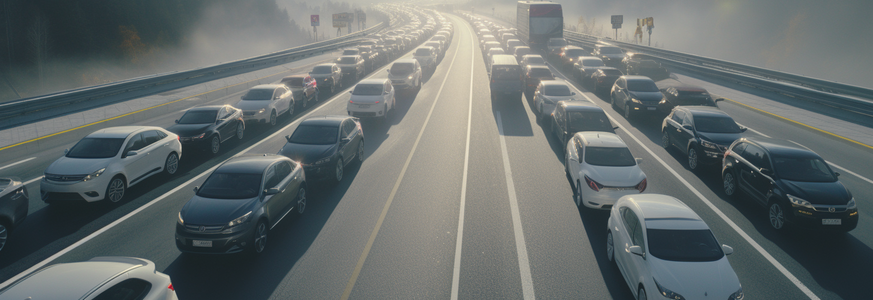 Commuters experience significant disruptions to their daily routines and significant increases in travel times due to the frequent traffic congestion upstream of the Gotthard Tunnel. The impact of these congestions goes beyond mere inconvenience and involves various aspects such as travel stress, time wasting, loss of productivity, environmental impact, and health problems.
| Travel stress | Time wasted | Loss of productivity |
|---|---|---|
| High levels of stress due to long hours in traffic | Significant time wasted that could be used productively | Reduced productivity due to fatigue and stress |
| Environmental impact | Health problems | |
| Increased air pollution from vehicles emitting exhaust fumes | Potential health risks from prolonged exposure to vehicle emissions |
These negative impacts highlight the need for effective solutions to address this recurring problem at the Gotthard Tunnel.
,no_upscale(),format(png)/prod/7/0/3/imp_1_703017.jpg "Palotec DAB+ Window Film Antenna Noxon Road 2")
,no_upscale(),format(png)/prod/5/5/8/bimg_558310_retro301dabbt_black_unit_pic_y_20200430a_xcd-retro-1_.jpg "Dietz Retro 301 DAB / BT")
 219.00
,no_upscale(),format(png)/prod/5/5/8/imp_1_558311.jpg "Dietz Retro 300 DAB / BT")
,no_upscale(),format(png)/prod/7/9/8/imp_1_798333.jpg "Blaupunkt Car radio 4 x 50W FM, DAB+, Bluetooth, USB 1 DIN")
,no_upscale(),format(png)/prod/7/9/8/imp_1_798399.jpg "Blaupunkt 3-Way Speaker GT Icx 663 165 mm 250 Watts")
,no_upscale(),format(png)/prod/4/4/7/bimg_447486_71n8DCCAnrL.jpg "Motorex Motorcycle Chain Degreaser Bike Chain Degreaser 500 ml")
Understanding infrastructure problems
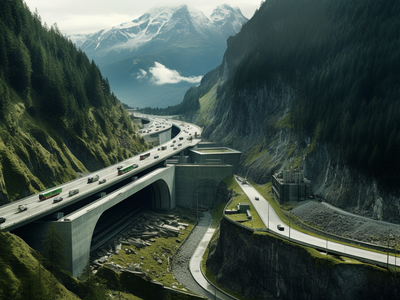 Analyzing structural complications and exploring potential improvements within transportation systems are critical to alleviating traffic problems caused by congestion. This becomes especially relevant when discussing congestion in the Gotthard Tunnel, where infrastructure problems are evident.
-
Tunnel expansion: increasing tunnel capacity could significantly reduce traffic congestion by accommodating more vehicles at the same time.
-
Modern infrastructure: introducing modern techniques and technologies in traffic management can significantly improve vehicle flow and reduce waiting times.
-
Alternative routes: Establishing and promoting alternative routes for drivers can prevent congestion at a single point, minimizing congestion.
-
Infrastructure funding: sufficient resources must be allocated to infrastructure development and maintenance to ensure constant functionality.
Effectively addressing these areas can help alleviate recurring congestion near the Gotthard Tunnel, improving overall traffic management efficiency.
Proposed solutions to alleviate traffic congestion include
-
Improving public transport: investing in the expansion and modernization of the public transport system to provide a more efficient and attractive alternative to private transport.
-
Promoting cycling: creating safe bike lanes and bike parking to increase the share of cycling and relieve traffic congestion.
-
Carpooling and ridesharing: Promote carpooling programs and ridesharing to reduce the number of vehicles on the road.
-
Traffic Guidance Systems: Implement intelligent traffic control systems to optimize traffic flow and minimize congestion.
-
Flexible Work Hours and Home Office: Promote flexible work hours and home office options to equalize rush hour traffic and reduce congestion.
-
Traffic Calming Zones: Create traffic-calmed zones in city centers to reduce traffic and increase space for pedestrians and cyclists.
-
Infrastructure expansion: investing in road, bridge, and public transit expansion to meet increasing traffic demands.
-
Transportation education and outreach: promote transportation education and outreach to increase understanding of environmentally friendly transportation alternatives and improve transportation awareness.
-
Park-and-Ride Facilities: Create park-and-ride facilities on the outskirts of cities to reduce individual traffic in city centers.
-
Use of environmentally friendly means of transport: promote the use of environmentally friendly means of transport such as electric vehicles and public transport in order to reduce traffic congestion and CO2 emissions.
After analyzing the infrastructure problems that contribute to traffic congestion upstream of the Gotthard tunnel, it is critical to propose viable solutions to alleviate these problems. Innovative strategies could reduce congestion and improve travel conditions.
| Proposed Solution | Description | Potential Impact |
|---|---|---|
| Intelligent tolling system | Implement dynamic pricing based on demand and time. | Control traffic flow by influencing driver behavior. |
| Carpooling incentives | Encourage shared driving through discounts or preferred lanes. | Reduce number of vehicles to reduce congestion. |
| Strengthen public transit. | Improve service frequency and convenience on public transit. | Divert travelers from private cars to public transit. |
| Flexible working hours | Encourage different working hours to avoid rush hour. | Distribute traffic more evenly throughout the day. |
| Encourage off-peak travel | Provide incentives for off-peak travel. | Divert demand away from peak periods to reduce congestion during these periods. |
These measures could significantly change travel patterns and help effectively manage tunnel traffic.
The future of commuting in the region
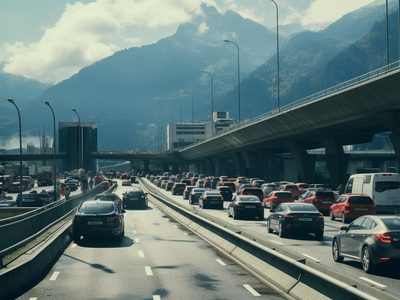 As we look to the future, it becomes increasingly important to explore how these proposed solutions could revolutionize commuting in the region. With a focus on sustainable transportation, strategies such as ridesharing and public transit improvements are poised to fundamentally change the current situation.
Carpooling can reduce the number of vehicles and thus help significantly reduce congestion. Improvements in public transit can make mass transit more attractive, thereby reducing the use of private vehicles.
In line with telecommuting trends, businesses could encourage employees to work from home, thereby reducing overall commuting. Future urban planning could consider these elements and develop infrastructure to support such changes.
Therefore, strategic implementation of these proposals holds the potential for profound change in commuting dynamics around the Gotthard Tunnel.
Conclusion
In summary, the incessant traffic congestion near the Gotthard Tunnel highlights underlying infrastructure deficiencies and significantly impacts daily commuting.
Solutions have been proposed to alleviate this congestion problem. However, implementation remains a hurdle.
Success in addressing these problems would not only revolutionize commuting, but also serve as a beacon of hope for similar problems worldwide.
It is high time that authorities stop beating around the bush and address these challenges head-on to lay the foundation for an efficient transportation future.
,no_upscale(),format(png)/prod/8/3/4/bimg_834212_5881761140432.jpg "PowerJet Air blower")
,no_upscale(),format(png)/prod/6/2/9/imp_1_629231.jpg "STRUCT Polishing cap set of 2")
,no_upscale(),format(png)/prod/6/2/9/imp_1_629353.jpg "HP Autozubehör Full garage station wagon XL")
,no_upscale(),format(png)/prod/6/7/9/bimg_67969_295067750.jpg "Motorex Frost protection 1 liter CoolantM5.0 Ready to use")
,no_upscale(),format(png)/prod/3/4/5/imp_1_345716.jpg "WD-40 Motorcycle silicone gloss spray SPECIALIST 400ml")
,no_upscale(),format(png)/prod/8/5/2/bimg_852677_1271767085745.jpeg "PowerJet Purple Air Blower Limited Edition")
,no_upscale(),format(png)/prod/1/1/6/bimg_116732_2461978_hauptbild.jpg "Fripoo AG Disk de-icer Polyston spray, 500 ml")
,no_upscale(),format(png)/prod/4/8/8/bimg_488702_215502050_xxl3.jpg "Muc-Off DEGREASER Enfetter 500ml")
,no_upscale(),format(png)/prod/6/2/9/imp_1_629300.jpg "Sonax Headlight treatment set 85 ml")
,no_upscale(),format(png)/prod/6/2/9/imp_2_629402.jpg "Sonax Scratch remover Nano Pro 75 ml")
,no_upscale(),format(png)/prod/6/3/0/imp_1_630554.jpg "Meguiars Polishing machine set")
,no_upscale(),format(png)/prod/6/7/8/bimg_67806_407067746.jpg "Mottez Car bike rack for 3 bikes")
,no_upscale(),format(png)/prod/3/4/3/bimg_343489_51YK-BCITYL.jpg "Mottez Trunk mat 90x100cm A078V")
,no_upscale(),format(png)/prod/1/1/5/imp_1_115996.jpg "Means of transport accessories Luggage tensioner with carabiner")
,no_upscale(),format(png)/prod/5/1/1/bimg_51122_40099250_2426026976.jpg "Bahco Jack 2 T")
,no_upscale(),format(png)/prod/1/1/6/imp_1_116001.jpg "Means of transport accessories Mini start booster with power bank 16,000 mAh")
,no_upscale(),format(png)/prod/6/0/5/imp_1_605438.jpg "Noco Starter battery with charging function GB70 12 V 2000A")
,no_upscale(),format(png)/prod/3/5/2/bimg_352234_bw_pc205_5_1.jpg "Bucher + Walt Bucher + Walt universal plug 8A cigarette lighter")