 23 Hours ago
 Posted on Google
 1 Day ago
Posted on Google
1 Day ago
Posted on Google 2 Days ago
Posted on Google
2 Days ago
Posted on Google 2 Days ago
Posted on Google
2 Days ago
Posted on Google 2 Days ago
Posted on Google
2 Days ago
Posted on Google 2 Days ago
Posted on Google
2 Days ago
Posted on Google 3 Days ago
Posted on Google
3 Days ago
Posted on Google 3 Days ago
Posted on Google
3 Days ago
Posted on Google 3 Days ago
Posted on Google
3 Days ago
Posted on GoogleThe ultimate guide to clothes dryer filter maintenance.
 08.06.2023
The accumulation of lint in your tumble dryer can significantly affect the performance of your machine, resulting in longer drying times, increased energy consumption and even potential fire hazards. Regular maintenance of your clothes dryer filter is crucial to prevent lint buildup and ensure optimal functionality of your machine.
This ultimate guide to clothes dryer filter maintenance will provide you with all the necessary information on how to properly clean and maintain your filter. From the importance of regular maintenance to identifying a damaged filter that needs to be replaced, we'll cover everything you need to know to extend the life of your clothes dryer and keep it running efficiently.
The importance of clothes dryer filter maintenance.
Because the clothes dryer filter acts as a barrier against lint buildup, regular maintenance of this component is crucial to ensuring efficient and effective drying cycles that are free of unwanted debris or blockages. The benefits of regular clothes dryer filter maintenance cannot be overstated.
A clean filter allows for maximum air circulation, which in turn optimizes the drying process by reducing energy consumption and minimizing cycle times.
However, if you neglect to clean your clothes dryer filter, serious consequences can occur. Over time, lint buildup can accumulate in the filter and cause it to be less effective at trapping dirt. This not only reduces its ability to keep your clothes lint-free, but also forces your dryer to work harder than necessary, resulting in higher energy consumption and an increased risk of overheating or malfunction.
In summary, maintaining a clean clothes dryer filter is essential if you want your dryer to work efficiently and effectively over time. Neglecting this important component can lead to decreased performance and even potential safety hazards.
By making regular maintenance a priority, you can ensure that your dryer continues to function at maximum capacity and protect both your clothes and your home from unwanted dirt buildup.
,no_upscale(),format(png)/prod/2/8/6/bimg_286613_1629297070.jpg "Alternativ Door filter for Miele 9164761, for heat pump dryers")
,no_upscale(),format(png)/prod/4/4/5/bimg_445793_Candy-Hoover-Schwamm-Filter-40006731.jpg "Hoover Candy sponge filter 40006731")
,no_upscale(),format(png)/prod/2/8/6/imp_1_286614.jpg "Alternativ Door filter for Miele 9499230, for heat pump dryers")
 35.65
35.65,no_upscale(),format(png)/prod/2/8/2/bimg_282906_61QDsOCvxhL.jpg "Whirlpool Bauknecht filter 481010354757 for tumble dryers")
,no_upscale(),format(png)/prod/2/8/2/bimg_282905_go_66939.jpg "Whirlpool 2 x Bauknecht filters 481010354757 for tumble dryers")
,no_upscale(),format(png)/prod/2/8/6/bimg_286615_627067756.jpg "Alternativ Door filter for Whirlpool Bauknecht filter 481010716911 for tumble dryers")
How often should you clean your filter?
Regular cleaning of your clothes dryer filter is crucial to ensure efficient airflow and prevent fire hazards. However, the frequency of cleaning depends on several factors, such as usage, load size and fabric type. A clogged filter impairs airflow, reduces dryer efficiency and increases energy consumption. It also poses a significant fire hazard due to the buildup of lint in the dryer system.
Here are some signs that indicate you need to clean your clothes dryer filter:
-
Clothes take longer than usual to dry.
-
The dryer feels hot during operation.
-
The lint filter has visible debris or an unusual odor.
-
The outside vent door does not open when the dryer is operating.
Most manufacturers recommend cleaning the filter after each use for optimal performance. However, this may not be necessary for everyone, as it depends on several factors discussed earlier. If you have a large household with frequent loads of laundry or heavy fabrics like towels and blankets, you may need to clean it more frequently than someone who only uses it occasionally for lighter loads like shirts and underwear.
In summary, regular maintenance of the clothes dryer filter is critical for optimal performance and safety reasons. Cleaning frequency varies depending on personal usage habits and other factors previously mentioned. Therefore, it is important to regularly observe signs of a clogged filter and act accordingly. Always remember to follow the manufacturer's guidelines when performing any maintenance on your equipment.
Proper cleaning techniques for your filter
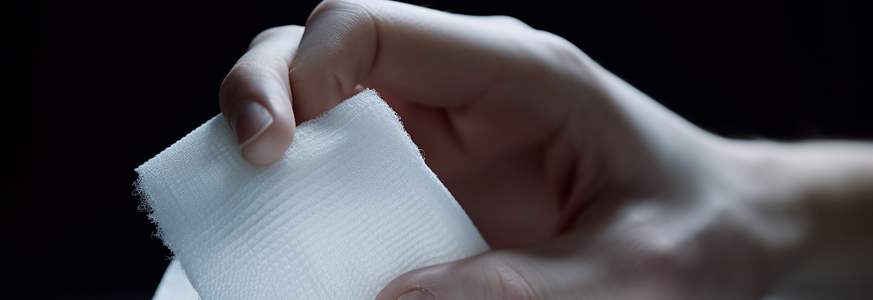 Proper dryer filter maintenance is critical to ensure optimal performance and avoid potential hazards. This can be achieved by using specific cleaning techniques, which vary depending on the type of filter installed. There are a variety of filters on the market, such as disposable, washable and reusable, which require different cleaning or replacement frequencies. For example, disposable filters need to be replaced regularly every 1-2 months, while washable filters should be cleaned every 6 months.
To determine the proper cleaning technique for your filter, it is important to consult the manufacturer's manual. However, if it is not available or unclear, general guidelines can be followed. First, remove visible lint from the surface of the filter with a soft brush or vacuum cleaner attachment. Then rinse the filter with warm water and gently scrub with mild detergent as needed. Allow enough time for the filter to be completely dry before reinstalling it.
Although they are cheaper alternatives to high-end filters that may require less frequent cleaning or replacement intervals, cheaper options often come at a cost when it comes to optimal machine performance and safety risks from clogged filters. Investing in high-end filters that offer better filtration efficiency and longer life can save money in the long run and ensure efficient dryer operation without compromising safety measures.
| Filter type | Cleaning frequency | Replacement interval |
|---|---|---|
| Disposable | Every 1-2 months | Replace when visibly dirty |
| Washable | Every 6 months | Replace after 3 years |
| Reusable | Every 12 months | Replace after 5 years |
In summary, the proper cleaning techniques for your dryer filter vary by type; therefore, it is recommended that you consult the manufacturer's instructions before proceeding with any cleaning method. Cleaning frequency and replacement intervals will also depend on whether you use disposable, washable or reusable filters. Investing in high-quality filters can be more cost-effective in the long run because they require less frequent cleaning and replacement, ensuring optimal performance and safety for your dryer.
Dealing with damaged filters
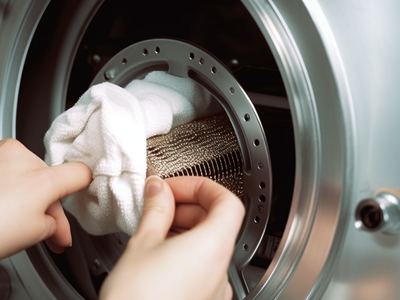 When it comes to damaged clothes dryer filters, it's important to assess the extent of the damage before deciding whether to repair or replace the filter.
A common problem is a crack in the filter material. In this case, it is best to replace the filter completely, as a patch may not effectively prevent lint from getting through.
Another problem that can occur with dryer filters is clogging due to accumulation of lint or other debris. Regular cleaning can prevent this problem, but if left unresolved for too long, it can lead to reduced airflow and possibly overheating of the dryer. Troubleshooting issues like these are usually resolved by proper maintenance routines and making sure the dryer ventilation system is properly installed and functioning.
Filter replacement should also be considered if you notice signs of wear or damage beyond what can be repaired. For example, if you see cracks or breaks in the plastic frame that holds your filter in place, it may no longer provide adequate support for your filter and could lead to more serious problems such as overheating or even fire hazards. In such cases where there are structural concerns, it may be necessary to replace not only the filter alone, but the entire dryer unit.
Imagine what it would be like to have a house full of smoke because the dryer air duct is clogged.
Think how annoying it would be to find that a simple maintenance routine would have prevented an expensive repair bill.
Think about how much risk you are taking by ignoring problems with your dryer vent system, which could cause injury or damage to your property.
Imagine sneezing constantly because dust is blowing through a poorly maintained clothes dryer filter.
Finally, dealing with damaged clothes dryer filters requires careful evaluation of potential problems before deciding whether repairs or replacement is necessary. It is important to perform regular maintenance routines to avoid clogs and other problems that can lead to reduced efficiency or even safety hazards. Given the potential risks associated with neglecting filter maintenance, it's always better to err on the side of caution and replace filters when there are signs of damage beyond repair.
Extend the life of your clothes dryer.
To ensure the longevity of your dryer, effective cleaning habits and following the manufacturer's guidelines for installing the ventilation system are critical steps.
To extend the life of your clothes dryer, it is important to take preventative measures that reduce wear and tear on the machine.
One of the most common mistakes people make is failing to clean the lint filter after each use. This can lead to a buildup of lint in the dryer's ventilation ducts, which can cause overheating and possibly a fire.
Another way to extend the life of your clothes dryer is to properly install and maintain its ventilation system. Improper installation or lack of maintenance can cause blockages in the ventilation ducts, reduce airflow and lead to increased stress on motors and heating elements. It is recommended that you have your dryer vent system inspected by a professional at least once a year.
Finally, proper care can also be taken when loading the dryer to extend its life. Overloading can cause unnecessary stress on motors and other components, while underloading wastes energy by requiring the dryer to run longer than necessary.
By following these simple preventative measures, you can ensure that your clothes dryer will last as long as possible without the need for expensive repairs or replacement parts.
,no_upscale(),format(png)/prod/2/8/2/bimg_282846_IMG-3490-Kopie.jpg "Miele Door filter for heat pump dryer 9688381")
,no_upscale(),format(png)/prod/2/8/2/bimg_282678_aaaaaaaaaaaaaaa.jpg "AEG Filter 112315600 for tumble dryers")
,no_upscale(),format(png)/prod/4/5/1/bimg_451829_114214-481723-Filter-def.jpg "Bosch Siemens Pollen Filter Pollen Filter 481723 5550003034 LA101")
,no_upscale(),format(png)/prod/2/8/6/imp_1_286611.jpg "Alternativ Door filter for Miele 6057930, for heat pump dryers")
,no_upscale(),format(png)/prod/4/4/4/bimg_444458_Beko-Blomberg-Grundig-Filter-Schaumfilter-2964840100.jpg "Beko , Blomberg, Grundig filter foam filter 2964840100")
,no_upscale(),format(png)/prod/4/4/0/bimg_440825_Miele-9688381-IMG-3490-Kopie.jpg "Alternativ Door filter for Miele 9688381, for heat pump dryer")
,no_upscale(),format(png)/prod/2/8/6/bimg_286612_go_9093714.jpg "Alternativ Door filter for Miele 7070070, for heat pump dryers")
,no_upscale(),format(png)/prod/4/8/3/bimg_483451_Gorenje-Schwamm-Filter-327136.jpg "Gorenje Sponge filter 327136")
,no_upscale(),format(png)/prod/4/8/3/bimg_483452_Gorenje-Schwamm-Filter-810183.jpg "Gorenje Sponge filter 810183")